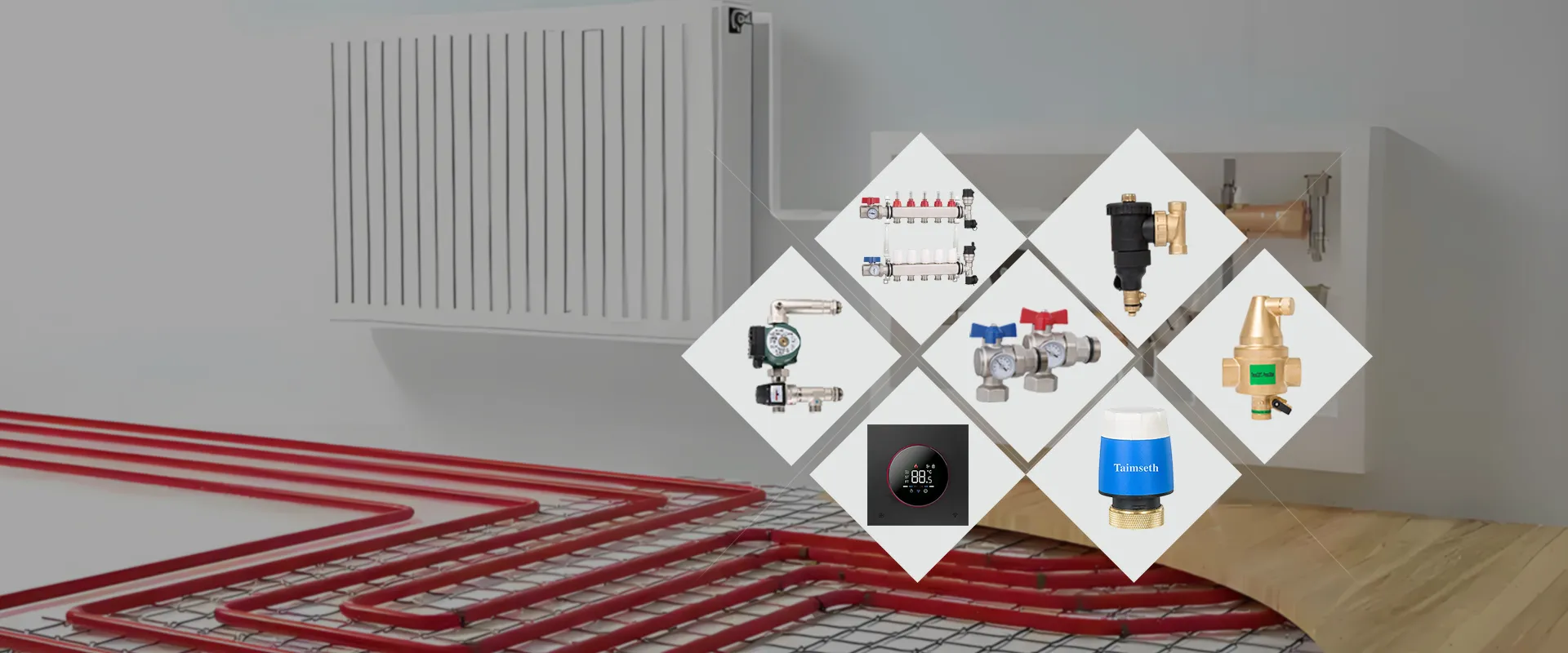
Ненадлежащий контроль температуры может привести к увеличению энергопотерь, снижению комфорта и ухудшению эффективности системы отопления, вентиляции и кондиционирования воздуха. Если игнорировать эту проблему, эксплуатационные расходы могут возрасти. Термоприводы обеспечивают автоматическое управление клапанами.
Термопривод — это электромеханическое устройство управления, в котором тепловое расширение используется для создания механического движения. В системах отопления, вентиляции и кондиционирования воздуха (ОВКВ) он обычно открывает или закрывает клапаны для регулирования потока горячей или охлажденной воды. Термоприводы широко применяются в системах теплого пола, фанкойлах, радиаторах и системах зонирования ОВКВ, где требуется бесшумное и автоматическое регулирование температуры.
Понимание принципа его работы, типов, областей применения и критериев выбора поможет инженерам и покупателям подобрать подходящий термопривод для системы ОВКВ.
Что такое термопривод?
A тепловой привод — это устройство, преобразующее тепловую энергию в управляемое механическое движение.
В системах отопления, вентиляции и кондиционирования воздуха он, как правило, устанавливается на регулирующий клапан. Привод изменяет положение клапана в соответствии с электрическим сигналом, поступающим от термостата, контроллера или системы управления зданием.
К типичным областям применения относятся:
- Колекторы для системы подогрева пола
- Вентиляторные доводчики
- Системы отопления с радиаторами
- Системы водяного отопления
- Контуры охлажденной воды
- Системы зонального управления системами отопления, вентиляции и кондиционирования воздуха
В отличие от многих моторизованных приводов, в которых используются двигатели и зубчатые механизмы, в тепловых приводах обычно применяется нагревательный элемент и термочувствительный расширяющийся материал.
Благодаря этой относительно простой конструкции они подходят для использования в системах отопления, вентиляции и кондиционирования воздуха (ОВКВ), где важны бесшумная работа, компактность установки и автоматическое управление включением и выключением.
Как работает термопривод?
Принцип действия термопривода основан на контролируемое тепловое расширение.
Типичный рабочий цикл включает следующие этапы:
1. Контроллер определяет потребность
Термостат или контроллер системы отопления, вентиляции и кондиционирования воздуха определяет, что в помещении или зоне требуется обогрев или охлаждение.
Затем он посылает электрический сигнал на термопривод.
2. Нагревательный элемент находится под напряжением
После подачи питания внутренний нагревательный элемент начинает повышать температуру расширяющегося материала внутри привода.
3. Тепловое расширение вызывает перемещение
По мере нагрева внутреннего материала он расширяется.
Это расширение создает механическую силу, которая приводит в движение поршень или шток привода.
4. Изменение положения клапана
Шток привода приводит в действие или отпускает связанный с ним механизм клапана.
В зависимости от конфигурации привода клапан открывается или закрывается для регулирования потока горячей или охлажденной воды.
5. Привод возвращается в исходное положение
Когда термостат достигает заданной температуры, подача электроэнергии прекращается.
Внутренний материал постепенно остывает и сжимается, что позволяет приводу вернуться в исходное положение.
Поскольку нагрев и охлаждение требуют времени, тепловые приводы, как правило, работают медленнее, чем моторные приводы. Однако для стандартного зонального управления системами отопления, вентиляции и кондиционирования воздуха быстрое перемещение обычно не требуется.
Основные типы тепловых приводов
Термоприводы можно классифицировать в зависимости от их исходного рабочего положения.
Термопривод с нормально закрытым контактом
A нормально закрытый (NC) Термопривод удерживает клапан в закрытом положении при отсутствии электропитания.
Когда на привод подается питание, он постепенно открывает клапан и обеспечивает циркуляцию воды.
Данная конфигурация обычно используется в тех случаях, когда поток воды должен обеспечиваться только при необходимости обогрева или охлаждения.
Термопривод нормально открытого типа
A нормально разомкнутый (NO) Привод удерживает клапан в открытом положении при отключении питания.
При подаче электропитания привод перемещает клапан в сторону закрытого положения.
Данную конструкцию можно выбрать для систем, в которых предпочтительно обеспечение непрерывности потока при перебоях в электроснабжении.
Варианты напряжения
Термоприводы также выпускаются с различными электрическими конфигурациями.
В зависимости от системных требований они могут работать с:
- Низковольтные системы управления
- Системы, работающие от сети
- Термостаты
- Реле
- Панели управления
- Системы управления зданиями
Напряжение привода всегда должно соответствовать электрической схеме и схеме управления системы ОВКВ.
Где применяются термоприводы?
Термоприводы особенно хорошо подходят для задач, требующих индивидуальное регулирование температуры или по зонам.
Подогрев пола
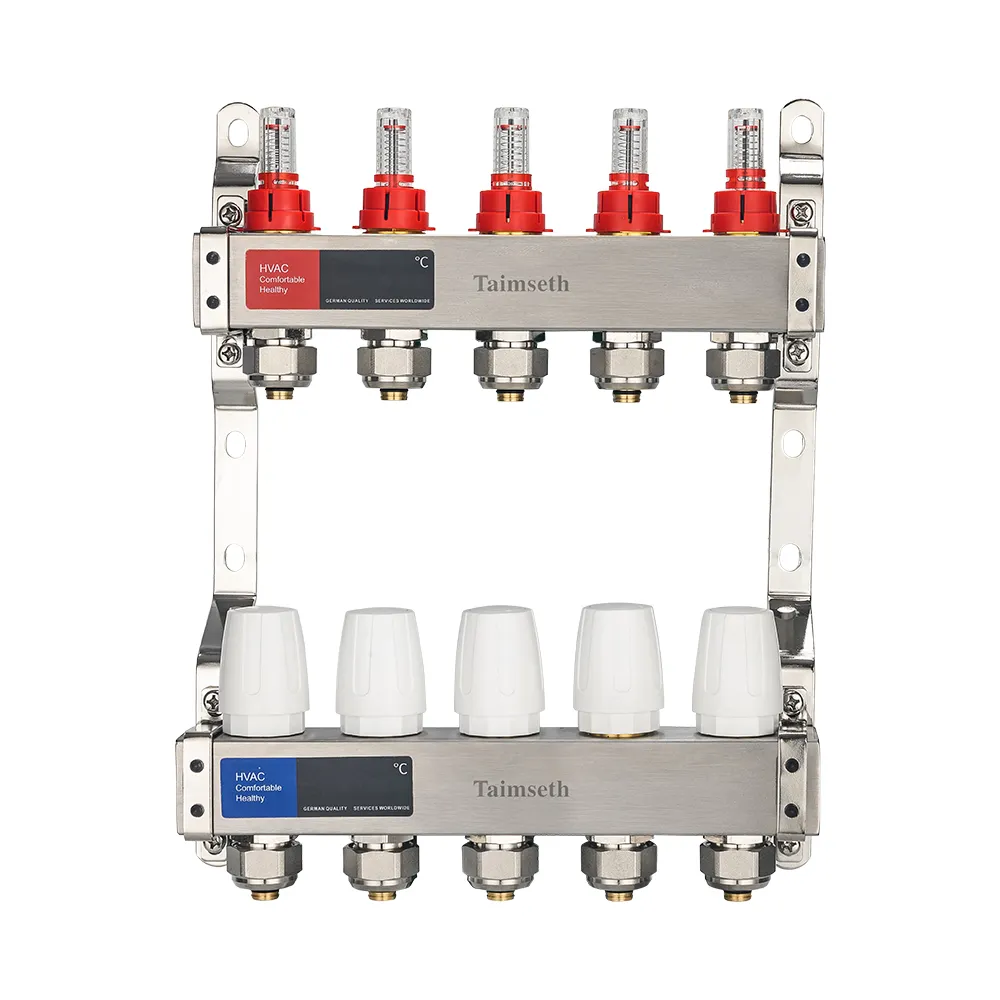
В системах теплого пола на распределительном коллекторе можно установить несколько термоприводов.
Каждый привод регулирует подачу воды в конкретное помещение или контур отопления в соответствии с сигналами, поступающими от отдельных термостатов.
Это позволяет независимо регулировать температуру в разных зонах.
Фанкойлы
Термоприводы могут регулировать подачу горячей или охлажденной воды в фанкойлы.
Когда в помещении достигается заданная температура, привод может изменить положение клапана и сократить ненужную циркуляцию воды.
Системы водяного отопления
Термоприводы также можно использовать с радиаторами, отопительными контурами и другими системами отопления, вентиляции и кондиционирования воздуха на водной основе.
Они позволяют системе распределять тепло или холод в соответствии с фактической потребностью, а не поддерживать неограниченный расход по всему зданию.
Основные преимущества термоприводов
Термоприводы обладают рядом практических преимуществ в системах управления ОВКВ.
Бесшумная работа
Благодаря своему принципу работы они обеспечивают относительно плавное и бесшумное движение, что делает их подходящими для офисов, отелей, жилых районов и других помещений, где важны низкие уровни шума.
Компактная конструкция
Термоприводы, как правило, достаточно компактны, чтобы их можно было устанавливать на коллекторах, клапанах и конечных устройствах систем отопления, вентиляции и кондиционирования воздуха, где монтажное пространство может быть ограничено.
Простое управление
Многие термоприводы работают на основе простых электрических сигналов включения/выключения.
Это позволяет интегрировать систему с распространенными термостатами и контроллерами систем отопления, вентиляции и кондиционирования воздуха без применения излишне сложных механизмов управления.
Возможность зонированного управления
Благодаря управлению отдельными клапанами термоприводы позволяют обеспечивать автономное отопление или охлаждение отдельных зон.
Это позволяет более точно согласовать производительность системы отопления, вентиляции и кондиционирования воздуха с фактическими потребностями помещения.
Снижение механической сложности
По сравнению с некоторыми конструкциями приводов с электродвигателем тепловые приводы могут содержать меньшее количество подвижных механических компонентов.
Благодаря этому они подходят для использования во многих стандартных системах управления клапанами.
Как выбрать термопривод
Чтобы правильно выбрать привод, недостаточно просто проверить его габаритные размеры.
Перед покупкой следует учесть ряд технических факторов.
Совместимость клапанов
Привод должен соответствовать типу соединения клапана и монтажному интерфейсу.
Покупатели должны подтвердить:
- Размер резьбы или соединения
- Тип клапана
- Необходимый адаптер
- Монтажные размеры
Нормально открытый или нормально закрытый
Необходимое положение по умолчанию следует определять в соответствии со стратегией управления.
Выбор неверной конфигурации может привести к тому, что клапан будет работать в нарушение заложенной в системе логики.
Рабочее напряжение
Номинальные электрические характеристики привода должны соответствовать требованиям термостата, контроллера и имеющегося источника питания.
Длина хода
Привод должен обеспечивать перемещение, достаточные для полного управления подключенным клапаном.
Неправильная длина хода может помешать правильному открытию или закрытию.
Оперативные силы
Привод должен обеспечивать усилие, достаточное для надежного перемещения штока клапана.
Условия установки
Инженерам проекта также следует учитывать следующее:
- Температура окружающей среды
- Влажность
- Требования к защите
- Условия прокладки электропроводки
- Доступность установки
- Расчетная рабочая частота
Для коммерческих и промышленных проектов совместимость с более широким спектром Системы управления системами отопления, вентиляции и кондиционирования воздуха или системы управления зданием также может иметь значение.
Термоприводы и энергоэффективность систем отопления, вентиляции и кондиционирования воздуха
Термоприводы могут способствовать более эффективному управлению энергопотреблением систем отопления, вентиляции и кондиционирования воздуха (ОВКВ) за счет обеспечения регулирование расхода воды в зависимости от потребности.
Вместо непрерывного питания каждого контура отопления или охлаждения отдельные зоны можно включать только тогда, когда требуется регулировка температуры.
Например, когда в одной из комнат достигается заданная температура, термостат этой комнаты может подать сигнал на термопривод, чтобы тот изменил положение клапана. Остальные зоны могут продолжать работать независимо друг от друга.
Такой тип регулирования может помочь сократить излишние затраты на распределение тепла или холода.
Однако общая энергоэффективность систем отопления, вентиляции и кондиционирования воздуха зависит от целого ряда факторов, в том числе:
- Эффективность оборудования
- Проектирование системы
- Гидравлическая регулировка
- Настройки температуры
- Стратегия управления
- Качество монтажа
- Теплоизоляция зданий
- Регулярное техническое обслуживание
Поэтому термопривод следует рассматривать как один из компонентов комплексной стратегии управления системой ОВКВ, а не как самостоятельное энергосберегающее устройство.
Заключение
Термопривод обеспечивает практичное автоматическое управление клапанами в системах ОВКВ, способствуя эффективному зонированию, регулированию расхода воды, управлению температурой и надежной работе системы.