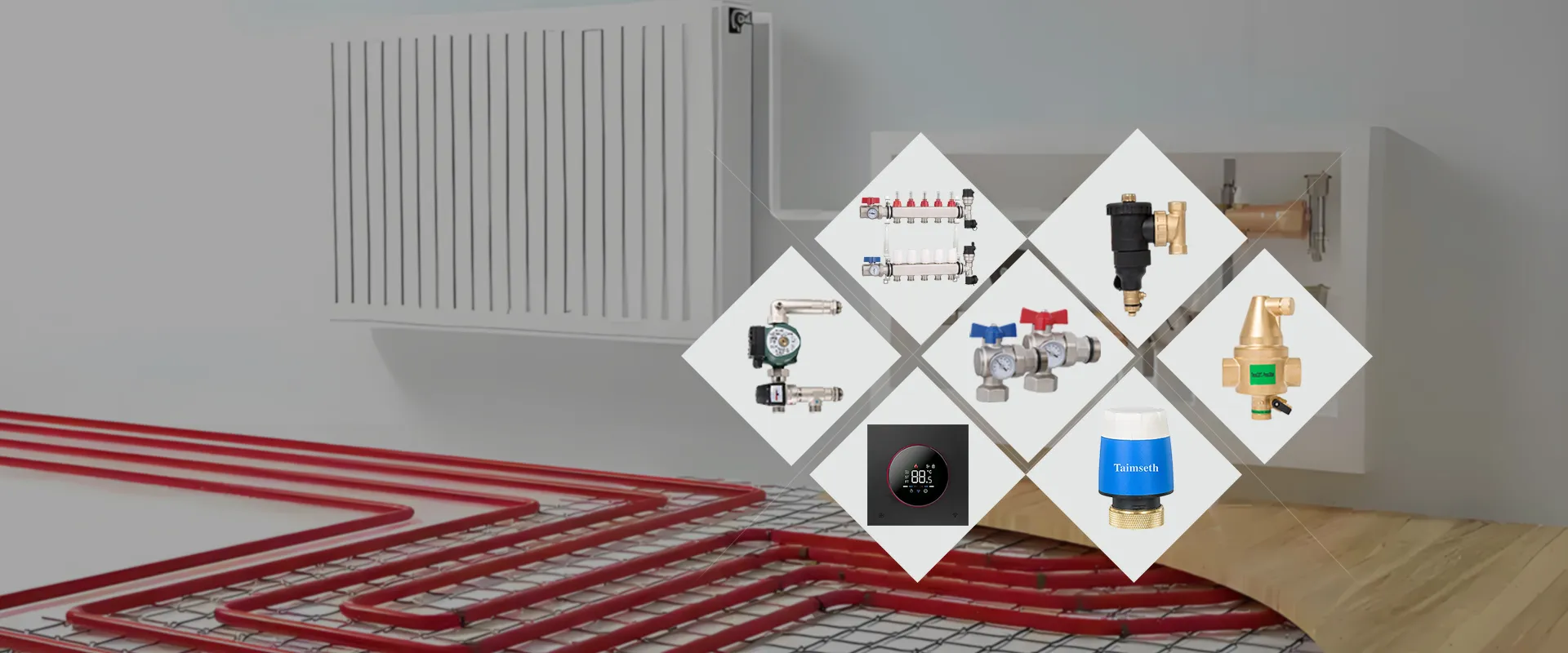
Os kits incompletos de aquecimento por piso radiante provocam atrasos na instalação, incompatibilidade entre componentes e intervenções de reparação dispendiosas. Os distribuidores correm o risco de perder a confiança dos clientes e as suas margens de lucro; um portfólio completo de peças, orientado pelas especificações, constitui a solução prática.
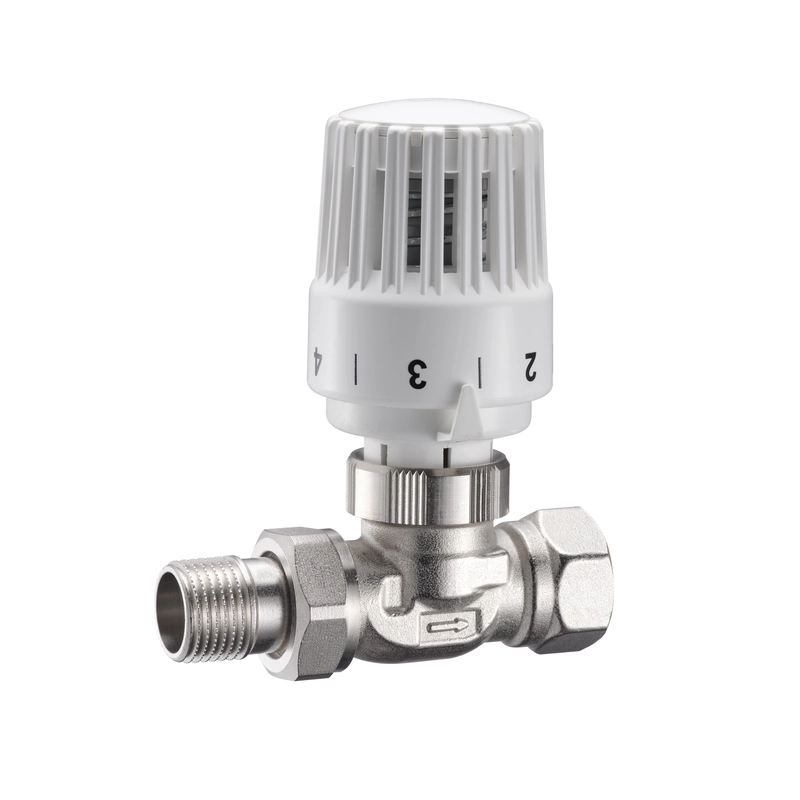
As peças do sistema de aquecimento por piso radiante destinadas aos distribuidores incluem tubos, coletores, bombas de circulação, válvulas misturadoras, termóstatos, painéis de isolamento, elementos de fixação, atuadores, centrais de cablagem e acessórios de controlo. Um portfólio de distribuição fiável deve combinar especificações compatíveis, documentação clara, conformidade com as normas regionais, embalagens resistentes, assistência técnica ágil e quantidades de encomenda flexíveis para projetos residenciais, comerciais e industriais.
O guia que se segue explica os aspetos essenciais, os critérios de avaliação dos distribuidores e os fatores práticos que permitem tomar decisões de compra com confiança.
1. Componentes principais de tubos e painéis
A tubagem de aquecimento constitui a base de um sistema hidrónico de aquecimento por piso radiante. Os distribuidores costumam fornecer tubos PEX, PERT ou compostos multicamadas em vários diâmetros, comprimentos de bobina, classes de pressão e opções de barreira ao oxigénio.
A escolha deve ter em conta a temperatura de funcionamento, o comportamento à flexão, o método de ligação, as normas locais e a vida útil prevista. As placas de isolamento, os painéis ranhurados, as camadas refletoras, as fitas de borda, os grampos, os trilhos e as ferramentas de fixação completam a base de instalação.
A oferta de pacotes coordenados de tubos e painéis ajuda os instaladores a reduzir o desperdício, a simplificar os orçamentos e a manter um desempenho consistente em projetos repetidos em diferentes tipos de edifícios.
2. Coletores e gestão do fluxo
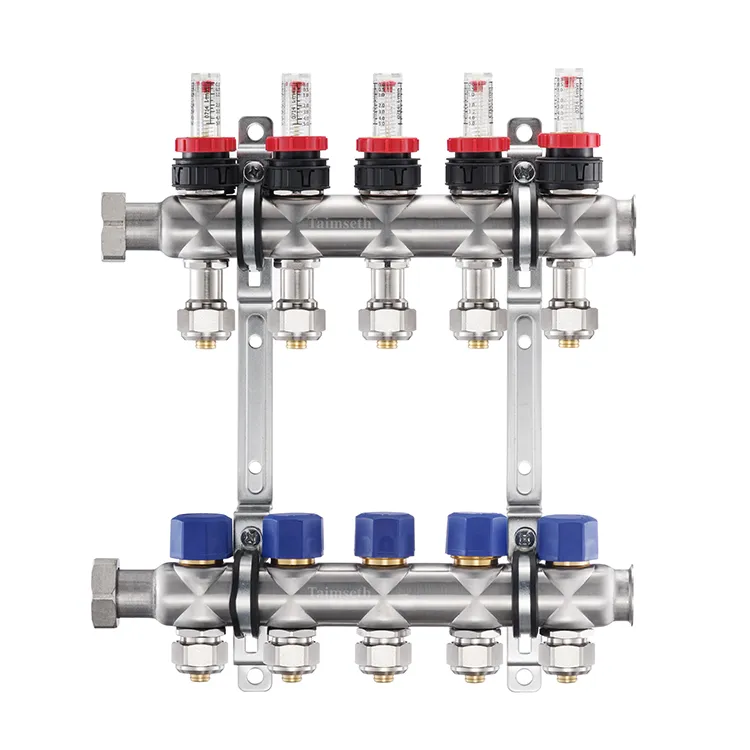
Um coletor distribui água aquecida pelos circuitos individuais do pavimento e permite aos instaladores equilibrar o caudal por zona.
As peças principais incluem barras de distribuição em aço inoxidável ou latão, medidores de caudal, válvulas de isolamento, válvulas de drenagem, purgadores de ar automáticos, termómetros, manómetros, suportes, adaptadores e conectores eurocone.
Os distribuidores devem verificar:
- Quantidade de circuitos
- Normas relativas às roscas
- Limites de pressão
- Compatibilidade dos atuadores
- Proteção da embalagem
Os conjuntos de coletores pré-montados podem reduzir o tempo de instalação, enquanto os acessórios armazenados separadamente proporcionam flexibilidade aos empreiteiros na substituição de peças danificadas ou na adaptação dos sistemas às condições do local durante a instalação e a manutenção futura.
3. Bombas de circulação e conjuntos de mistura
As bombas de circulação e os conjuntos de mistura controlam o fluxo da água e a temperatura de abastecimento, especialmente quando a fonte de calor funciona a uma temperatura superior à exigida pelo pavimento.
Um módulo completo pode incluir uma bomba, uma válvula misturadora termostática, um desvio, um limitador de temperatura, uma válvula de retenção, uniões e acessórios de ligação.
Os distribuidores devem comparar a altura manométrica da bomba, a capacidade de caudal, a potência nominal, o modo de controlo, o nível de ruído, a eficiência e o acesso para manutenção. A combinação correta destes componentes protege os revestimentos do pavimento, melhora o conforto e evita, de forma fiável, ciclos ineficientes ou um aquecimento desigual em grandes instalações multizona durante longos períodos de funcionamento diário.
4. Termóstatos e controlos por zona
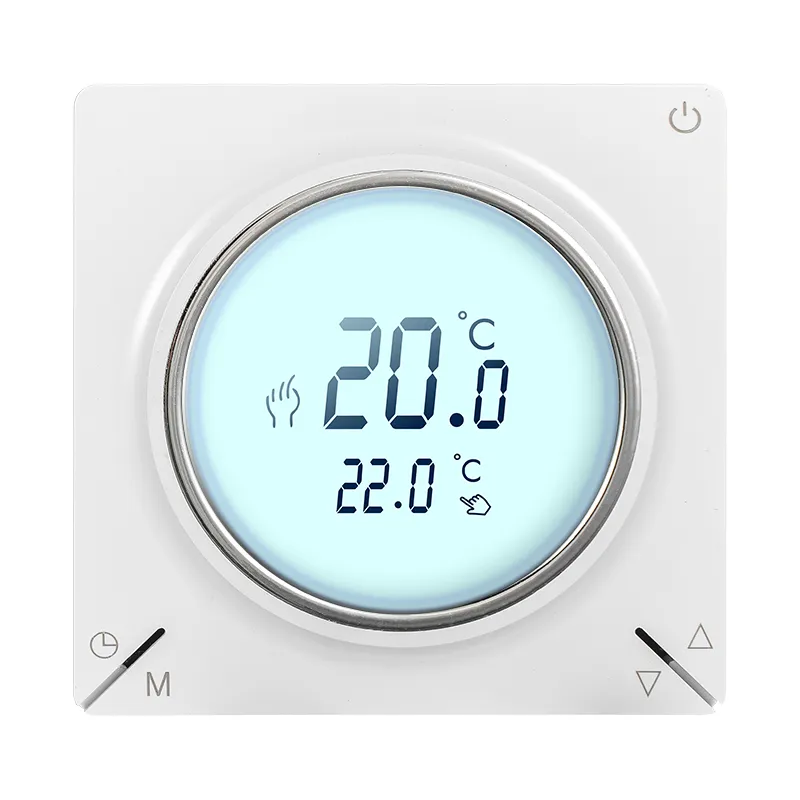
Os termóstatos de ambiente e os controlos por zona determinam o grau de precisão com que cada área responde à procura de aquecimento.
O sistema de controlo pode incluir:
- Termóstatos de ambiente
- Sensores de temperatura do pavimento
- Atuadores térmicos
- Centros de cablagem
- Relés
- Controladores inteligentes
As gamas de produtos podem incluir opções com fios, sem fios, programáveis, com ecrã tátil e compatíveis com sistemas de gestão de edifícios.
Os distribuidores precisam de informações claras sobre a tensão, o protocolo de comunicação, o tipo de sensor, a rosca do atuador, a carga máxima e o número de zonas suportadas. Os controlos devem também ser fáceis de colocar em funcionamento e de substituir.
Um portfólio de sistemas de controlo bem organizado permite aos instaladores atender a projetos residenciais básicos e a aplicações comerciais mais complexas, sem sobreposições desnecessárias de produtos nem atrasos evitáveis na configuração no local numa fase posterior.
5. Acessórios de instalação e peças sobressalentes
Os pequenos acessórios determinam, muitas vezes, se uma instalação decorre sem problemas.
O stock essencial pode incluir acessórios de compressão, conectores para tubos, cotovelos, acoplamentos de reparação, condutas, mangas, grampos, suportes para curvas, etiquetas, tampões para ensaios de pressão, caixas para armários, vedantes sobressalentes e material de fixação.
Estes artigos devem ser agrupados por diâmetro de tubo e família de sistemas, para evitar erros nas encomendas. A identificação clara das caixas de cartão, a compatibilidade com códigos de barras, os diagramas de instalação e as referências a peças de substituição são particularmente úteis para os distribuidores que gerem várias filiais, redes de revendedores ou inventários de projetos mistos em diferentes mercados e de acordo com as preferências dos instaladores, especialmente durante os períodos sazonais de maior volume de vendas.
6. Critérios de avaliação dos fornecedores
Os distribuidores devem avaliar os fornecedores para além do preço unitário inicial.
Entre os critérios de avaliação importantes incluem-se:
- Rastreabilidade dos materiais
- Coerência dimensional
- Ensaio de pressão
- Capacidade de produção
- Controlo do prazo de entrega
- Embalagem para exportação
- Documentação técnica
- Condições da garantia
- Velocidade de comunicação
As amostras e as fichas técnicas devem ser analisadas antes de se efetuarem encomendas de maior volume, especialmente quando os produtos forem combinados com o stock existente.
Os fornecedores com várias linhas de produção e um apoio completo à cadeia de abastecimento podem ajudar a estabilizar a disponibilidade. A assistência na conceção de projetos, a orientação na instalação, o apoio ao arranque e a comunicação pós-venda também reduzem o risco comercial para os distribuidores que servem empreiteiros e gestores de projetos exigentes em todas as regiões.
7. Conformidade e Desempenho Energético
A conformidade com as normas regionais tem impacto na aceitação do produto, na aprovação do projeto e na responsabilidade comercial a longo prazo.
Os distribuidores devem confirmar as normas aplicáveis a:
- Desempenho sob pressão
- Segurança elétrica
- Qualidade do material
- Emissões
- Isolamento
- Rotulagem de produtos
- Práticas de instalação
As declarações de certificação devem ser comprovadas por documentos atualizados e corresponder exatamente ao modelo fornecido.
O desempenho energético depende também da conceção correta do sistema, da qualidade do isolamento, da temperatura da água, da divisão em zonas e dos sistemas de controlo, e não apenas de um único componente. Uma comunicação técnica precisa ajuda os compradores a comparar as soluções de forma realista e evita alegações exageradas que possam comprometer a confiança durante o processo de concurso e a execução do projeto.
8. Planeamento e personalização do inventário
Uma estratégia de distribuição eficaz concilia a padronização com a personalização específica de cada projeto.
Os tamanhos de tubagem de grande diâmetro, as configurações comuns de coletores, os acessórios universais e os controlos amplamente utilizados devem permanecer facilmente disponíveis. Circuitos com numeração específica, embalagens de marca, esquemas de controlo personalizados ou kits específicos para cada projeto podem ser produzidos mediante pedido confirmado.
A previsão deve ter em conta:
- Ciclos de construção
- Condições climáticas regionais
- Preferências do instalador
- Requisitos relativos às fontes de calor locais
- Padrões de compras sazonais
A Jinyi apoia projetos de AVAC industriais e comerciais através de serviços de conceção, fabrico, orientação na instalação, colocação em funcionamento e assistência pós-venda. Esta capacidade integrada permite aos distribuidores coordenar componentes no âmbito de soluções de aquecimento mais abrangentes, de forma mais eficiente, para responder aos diversos requisitos regionais dos projetos.
Uma gama de peças completa, compatível e com um bom apoio técnico ajuda os distribuidores a proteger as suas margens, a simplificar os projetos e a reforçar a confiança dos clientes.