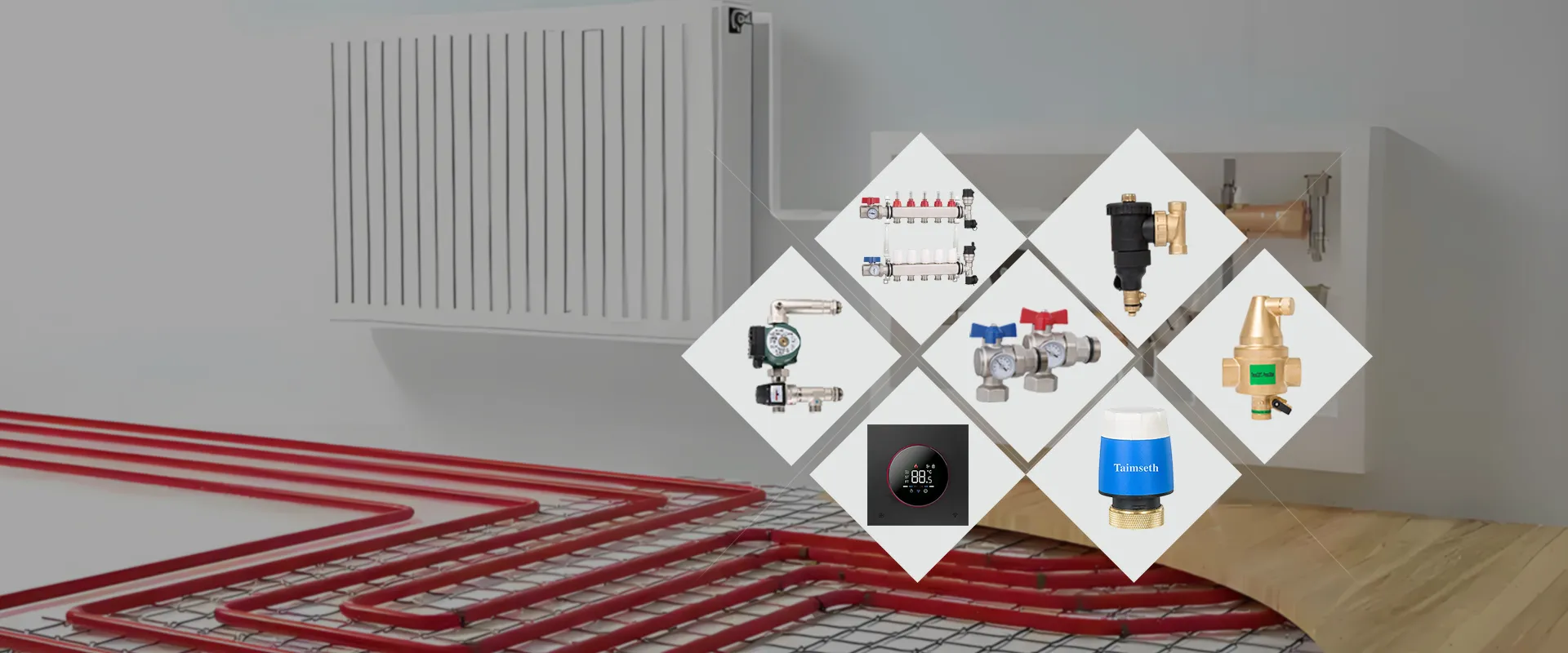
TERMOSTATY POMIESZCZENIOWE to precyzyjne urządzenia regulujące temperaturę w pomieszczeniach poprzez sterowanie urządzeniami grzewczymi i chłodniczymi. Instalowane w budynkach mieszkalnych i komercyjnych monitorują warunki otoczenia i w razie potrzeby uruchamiają systemy HVAC. Jako profesjonalny producent i dostawca oferujemy niezawodne, energooszczędne i dostosowane do indywidualnych potrzeb TERMOSTATY POMIESZCZENIOWE, zaprojektowane tak, aby spełniały różnorodne wymagania rynku globalnego.
TERMOSTATY POMIESZCZENIOWE automatycznie utrzymują komfort w pomieszczeniach, wykrywając zmiany temperatury i sterując podłączonymi systemami ogrzewania lub chłodzenia. Dostępne w wersjach mechanicznych, cyfrowych, programowalnych i inteligentnych, poprawiają efektywność energetyczną i obniżają koszty eksploatacji. Opcje OEM/ODM oraz możliwość dostosowania do indywidualnych potrzeb pozwalają hurtownikom i dystrybutorom dostosować produkty do różnych norm technicznych i wymagań związanych z brandingiem.
Dlaczego termostaty pokojowe są niezbędne w nowoczesnych budynkach?
Bez precyzyjnej regulacji temperatury systemy HVAC działają nieefektywnie. Przegrzanie, nadmierne schładzanie oraz częste włączanie i wyłączanie urządzeń zwiększają zużycie energii i skracają żywotność systemu.
TERMOSTATY POMIESZCZENIOWE rozwiązują te problemy poprzez:
Utrzymywanie stałej temperatury w pomieszczeniach
Ograniczenie zbędnej eksploatacji sprzętu
Systemy wspierające podział na strefy
Poprawa komfortu użytkowników
Dla wykonawców projektów i hurtowników wybór produktów od sprawdzonego producenta gwarantuje stałą jakość działania oraz mniej problemów posprzedażowych.
Jak działają termostaty pokojowe?
TERMOSTATY POMIESZCZENIOWE mierzą temperaturę w pomieszczeniu i porównują ją z wartością zadaną przez użytkownika. Gdy temperatura odbiega od zakresu docelowego, urządzenie wysyła sygnał w celu włączenia lub wyłączenia urządzeń grzewczych lub chłodniczych.
Technologia czujników
Do typowych metod pomiarowych należą:
Mechaniczne czujniki bimetalowe
Czujnik rozszerzalności wypełniony gazem
Elektroniczne czujniki temperatury typu NTC
Czujniki elektroniczne zazwyczaj charakteryzują się większą dokładnością, często mieszczącą się w przedziale plus minus 0,5 stopnia Celsjusza.
Wyjście sterujące
TERMOSTATY POMIESZCZENIOWE mogą sterować:
Kotły
Pompy ciepła
Konwektory
Zawory strefowe
Elektryczne systemy grzewcze
W zależności od konstrukcji systemu metoda sterowania może polegać na prostym włączaniu i wyłączaniu lub na bardziej zaawansowanej modulacji.
Jakie rodzaje termostatów pokojowych są dostępne?
Wybór odpowiedniego typu zależy od wymagań budowlanych i preferencji użytkowników.
Mechaniczne termostaty pokojowe
Zalety to między innymi:
Prosta struktura
Długa żywotność
Ekonomiczna produkcja
Łatwy montaż
Modele te nadają się do podstawowych systemów ogrzewania mieszkaniowego.
Cyfrowe termostaty pokojowe
Funkcje mogą obejmować:
Przejrzysty wyświetlacz LCD
Przyciski dotykowe
Precyzyjna kalibracja temperatury
Wiele trybów pracy
Wersje cyfrowe znajdują szerokie zastosowanie w projektach komercyjnych i nowoczesnych projektach mieszkaniowych.
Programowalne termostaty pokojowe
Zezwól na planowanie oparte na czasie
Ogranicz zużycie energii w okresach, gdy pomieszczenia są puste
Zwiększenie długoterminowych oszczędności
Badania dotyczące efektywności energetycznej wskazują, że w odpowiednich warunkach sterowanie temperaturą według harmonogramu może zmniejszyć zużycie energii na ogrzewanie i chłodzenie o około 10 procent.
Modele inteligentne i kompatybilne z sieciami
Obsługa zdalnego dostępu
Włącz integrację z systemami zarządzania budynkiem
Oferujemy monitorowanie zużycia energii
Profesjonalny producent dysponujący rozbudowanymi możliwościami w zakresie OEM/ODM jest w stanie dostosować oprogramowanie układowe i sprzęt do oczekiwań poszczególnych rynków regionalnych.
Najważniejsze parametry techniczne termostatów pokojowych
Zrozumienie specyfikacji ma kluczowe znaczenie dla inżynierów i dostawców podczas oceny produktów.
Parametr | Typowa wartość
Napięcie | 24 V AC lub 230 V AC
Zakres temperatur | od 5 do 35 stopni Celsjusza
Dokładność regulacji | Plus minus 0,5–1 stopień Celsjusza
Obciążalność styków | od 3 A do 16 A
Rodzaj montażu | Montaż na ścianie
Klasa ochrony | IP20 lub wyższa
Możliwości dostosowania mogą obejmować materiał obudowy, konstrukcję wyświetlacza, obciążalność przekaźnika oraz konfigurację okablowania. Te możliwości dostosowania mają szczególne znaczenie dla hurtowników tworzących linie produktów pod własną marką.
Co decyduje o tym, że producent termostatów pokojowych jest godny zaufania?
Nie wszystkie produkty zapewniają długotrwałą niezawodność. Wybierając dostawcę lub producenta, należy wziąć pod uwagę poniższe kryteria.
Produkcja i kontrola jakości
Rygorystyczna kontrola komponentów
Weryfikacja kalibracji czujnika
Testy bezpieczeństwa elektrycznego
Ocena trwałości w długim okresie
Spójne standardy produkcji zmniejszają liczbę awarii i poprawiają reputację marki.
Możliwości w zakresie OEM i ODM
Konkurencyjny producent powinien oferować:
Indywidualny projekt panelu przedniego
Usługi nadruku logo
Indywidualne rozwiązania w zakresie opakowań
Dostosowywanie oprogramowania układowego
Wsparcie w zakresie dokumentacji technicznej
Elastyczność w zakresie usług OEM/ODM pozwala dystrybutorom spełniać różne wymogi regulacyjne i dostosowywać się do preferencji klientów.
Stabilne możliwości dostaw
W przypadku dużych projektów i długoterminowej współpracy nieodzowne są niezawodne moce produkcyjne. Hurtownicy oczekują przewidywalnych terminów realizacji zamówień oraz stałej dostępności produktów.
Wytyczne dotyczące instalacji zapewniające prawidłowe działanie
Prawidłowy montaż ma bezpośredni wpływ na dokładność pomiarów.
Zamontować na wysokości około 1,5 metra nad podłogą
Należy unikać bezpośredniego nasłonecznienia
Trzymać z dala od otworów wentylacyjnych i źródeł ciepła
Należy zapewnić bezpieczne okablowanie elektryczne
Nieprawidłowe ułożenie może skutkować niedokładnymi odczytami i obniżonym komfortem.
W jaki sposób termostaty pokojowe poprawiają efektywność energetyczną?
Koszty energii stanowią znaczną część wydatków związanych z eksploatacją budynku. Efektywne regulowanie temperatury ogranicza niepotrzebne cykle pracy systemu.
Korzyści obejmują:
Niższe zużycie energii elektrycznej lub paliwa
Wydłużenie okresu eksploatacji sprzętu
Zmniejszona częstotliwość konserwacji
Zwiększona stabilność komfortu w pomieszczeniach
W połączeniu z zaworami regulacyjnymi strefowymi lub siłownikami TERMOSTATY POMIESZCZENIOWE umożliwiają sterowanie temperaturą w poszczególnych pomieszczeniach. Poprawia to ogólną równowagę systemu i ogranicza marnotrawstwo energii.
Zastosowania termostatów pokojowych
Budynki mieszkalne
Zapewnienie stabilnego komfortu życia
Obsługa systemów ogrzewania podłogowego i grzejnikowego
Włącz programowalną regulację temperatury
Budynki komercyjne
Stosowane w biurach, sklepach detalicznych, hotelach i placówkach edukacyjnych
Usprawnienie scentralizowanego zarządzania systemami HVAC
Obniżenie kosztów energii związanych z działalnością operacyjną
W przypadku projektów na skalę komercyjną bezpośrednia współpraca z producentem gwarantuje kompatybilność z szerszymi systemami HVAC i ułatwia koordynację techniczną.
Trendy rynkowe i możliwości rozwoju
Popyt na TERMOSTATY POMIESZCZENIOWE stale rośnie ze względu na coraz większy nacisk kładziony na efektywność energetyczną i komfort w pomieszczeniach.
Do nowych trendów należą:
Zwiększona dokładność pomiaru temperatury
Minimalistyczny, nowoczesny styl
Integracja z systemami automatyki
Funkcje związane ze sprawozdawczością w zakresie zużycia energii
Dostawcy oferujący rozwiązania dostosowane do indywidualnych potrzeb oraz rozwiązania typu OEM/ODM mają większe szanse na zdobycie różnorodnych rynków światowych.
Dlaczego termostaty pokojowe są produktem o znaczeniu strategicznym dla hurtowników
Z biznesowego punktu widzenia TERMOSTATY POMIESZCZENIOWE mają kilka zalet:
Wysoki i stały popyt rynkowy
Szeroka kompatybilność z systemami HVAC
Możliwości w zakresie tworzenia marek własnych
Produkcja skalowalna dostosowana do różnych rynków
Dzięki współpracy z profesjonalnym producentem i dostawcą hurtownicy mogą stworzyć stabilną ofertę produktów, charakteryzującą się konkurencyjnymi cenami i solidnym wsparciem technicznym.
Wnioski
TERMOSTATY POMIESZCZENIOWE odgrywają kluczową rolę w nowoczesnych systemach HVAC, zapewniając precyzyjną regulację temperatury i poprawiając efektywność energetyczną. Niezależnie od tego, czy chodzi o zastosowania mieszkaniowe, czy komercyjne, wybór niezawodnego producenta dysponującego rozbudowanymi możliwościami w zakresie OEM/ODM oraz dostosowywania produktów do indywidualnych potrzeb gwarantuje wysoką jakość produktów, stabilne dostawy oraz długoterminowy sukces rynkowy. Wraz z ciągłym zaostrzaniem się globalnych norm energetycznych wysokowydajne TERMOSTATY POMIESZCZENIOWE pozostają niezbędnymi elementami zrównoważonych rozwiązań budowlanych.