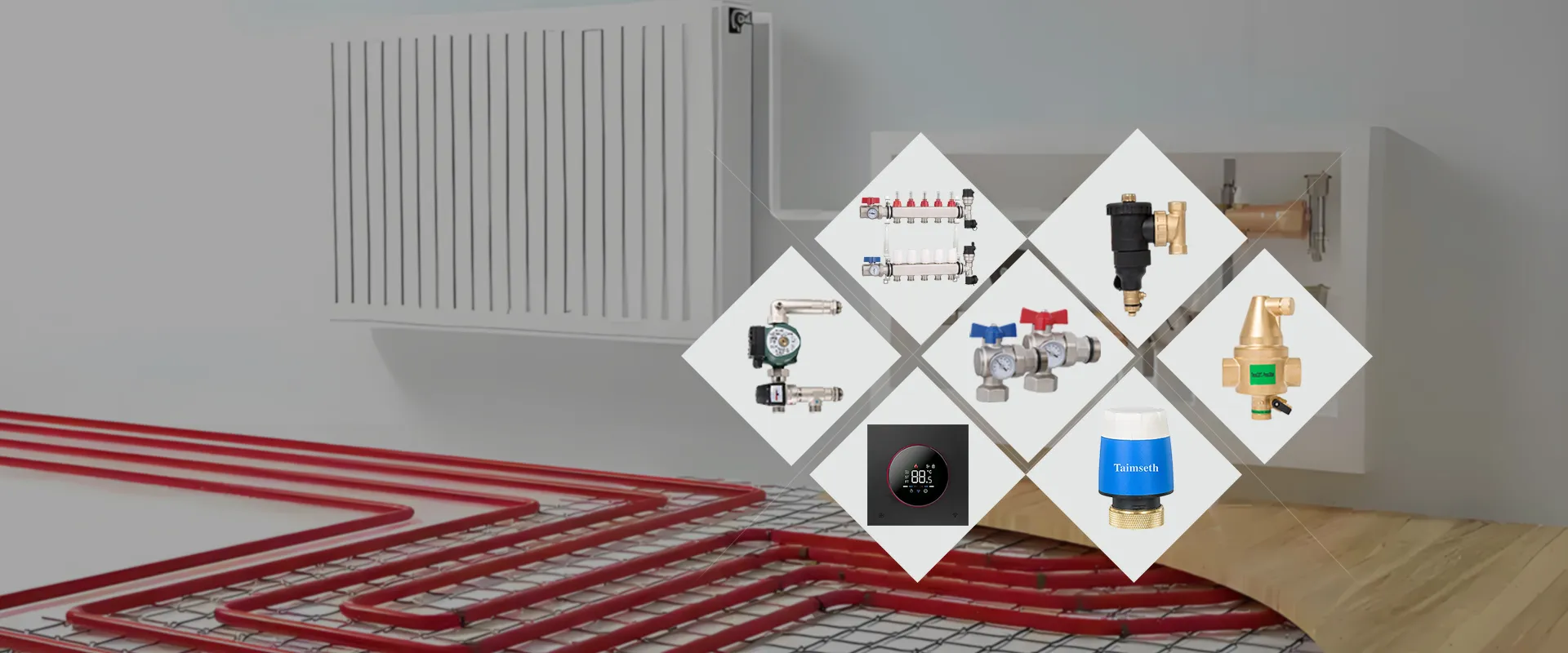
Industrial and commercial HVAC systems often struggle with inconsistent control, leading to inefficiency, high energy costs, and system failures. Electrical thermal actuators offer a precise solution to maintain reliable temperature regulation.
Electrical thermal actuators optimize HVAC performance by providing precise control, energy efficiency, and long-term reliability. They enhance system responsiveness, reduce operational costs, and integrate seamlessly with smart building management systems. These devices ensure safe, consistent operation across diverse industrial and commercial environments, supporting both comfort and compliance with international standards.
Understanding these benefits helps facility managers improve efficiency and reliability across their systems.
Vantaggi principali
1. Automated and Reliable Control
Electrical thermal actuators provide automated, reliable control for heating and cooling systems, reducing human error and downtime. Their design ensures rapid response to temperature changes, maintaining consistent environmental conditions.
2. Durability and Industrial Strength
High-quality materials and robust construction allow actuators to withstand dust, moisture, and fluctuating temperatures, ensuring stable performance over years, critical for laboratories, food processing, or electronics manufacturing.
3. Energy Efficiency
By accurately regulating valves and dampers, actuators minimize overcooling or overheating, reducing energy waste. Facilities can achieve measurable savings on electricity and fuel costs, supporting sustainable operations.
4. Simplified Installation and Customization
Standard and adaptable models suit various HVAC configurations, from central air systems to multi-zone setups. Their compatibility reduces retrofit costs and downtime, ideal for both new construction and renovations.
5. Smart Control Capabilities
Integration with sensors and automated control logic allows dynamic responses to occupancy, weather, and internal heat gains. This ensures comfort while minimizing unnecessary energy use, aligning with green building practices.
6. Safety Assurance
Electrical thermal actuators maintain precise thermal control, preventing overheating or freezing conditions, reducing risks of equipment damage and supporting compliance with safety regulations.
7. Cost-Effective Maintenance
Minimal maintenance requirements and robust design lower long-term operational costs while maintaining optimal system performance.
✅ Conclusion
Incorporating electrical thermal actuators into HVAC systems ensures durable, energy-efficient, and intelligent temperature control.
Sintesi: Electrical thermal actuators enhance control, efficiency, and reliability, supporting cost savings and consistent HVAC performance.