Electrical Thermal Actuator is a compact electro-thermal device designed to automatically control valve movement in hydronic heating and cooling systems. By converting electrical energy into controlled thermal expansion, it delivers stable linear motion for precise flow regulation. As a professional Manufacturer and Supplier, we provide energy-efficient, Customizable, and OEM/ODM-ready solutions for global HVAC markets.
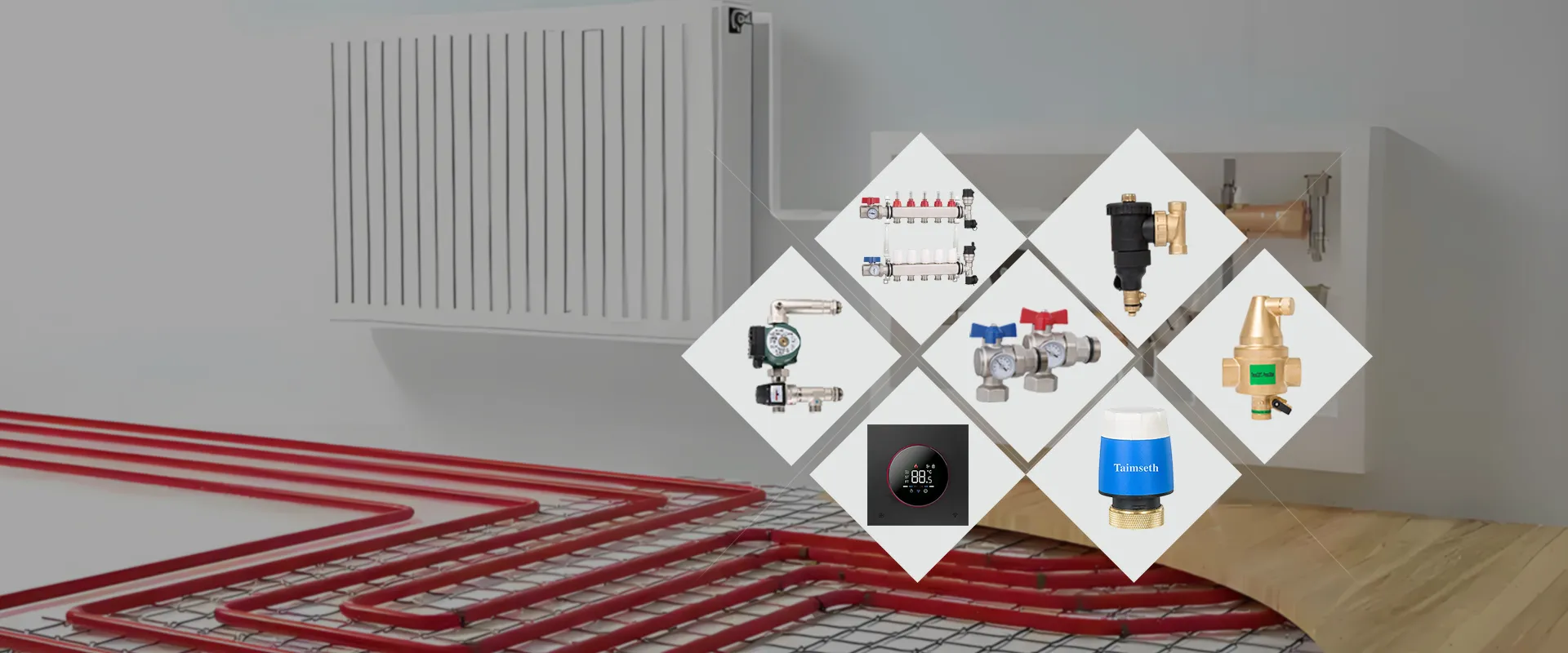
Electrical Thermal Actuator is widely used in underfloor heating manifolds, fan coil units, and zone valves to ensure accurate temperature control. It operates silently, consumes low power, and requires minimal maintenance. With Normally Closed and Normally Open options available, it supports energy-efficient HVAC zoning systems in residential and commercial buildings.
What Is an Electrical Thermal Actuator?
An Electrical Thermal Actuator is an automatic valve-driving device that relies on thermal expansion rather than a motor. It is commonly installed on manifold valves or control valves in hydronic systems.
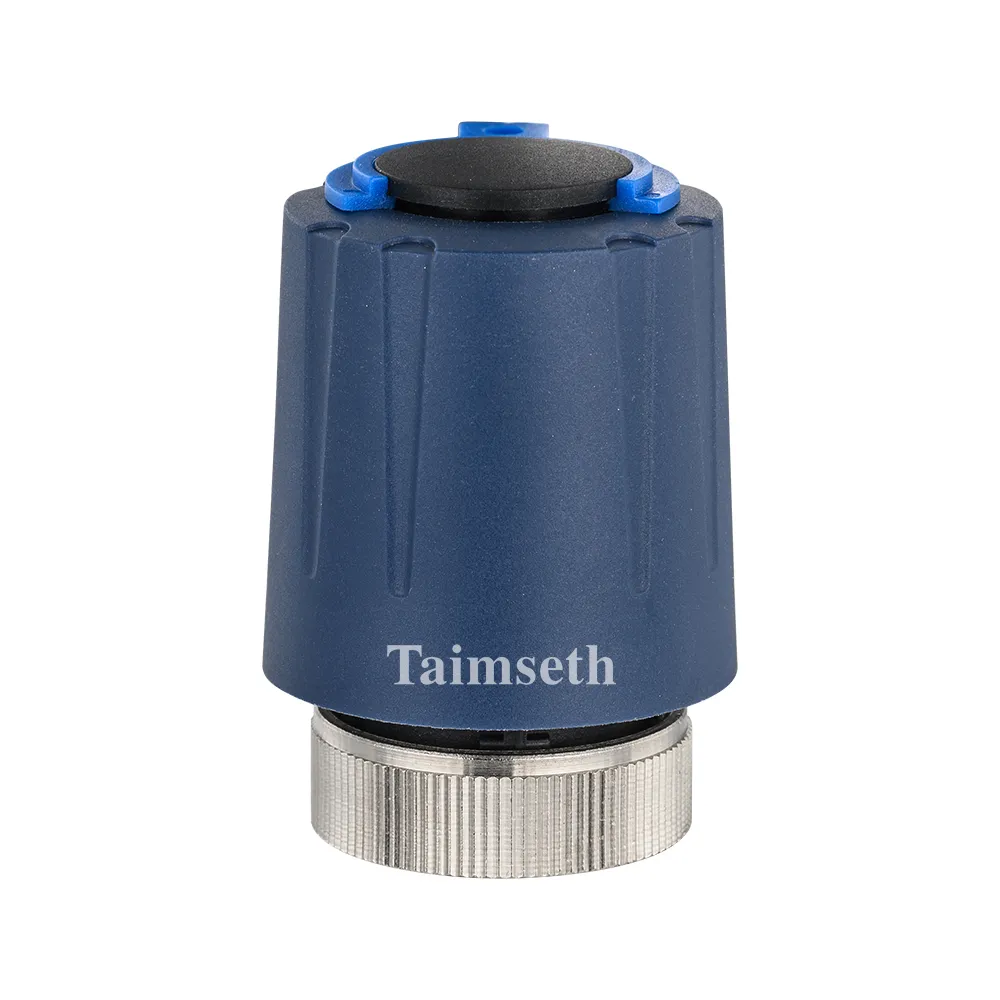
Componenti principali
The internal structure generally includes:
Heating element
Thermally responsive expansion medium
Push rod or piston
Spring return mechanism
Electrical connection and housing
When energized, the heating element increases the temperature of the expansion medium. As it expands, it pushes the rod outward to open or close the valve. When power is removed, the medium cools and contracts, and the spring returns the actuator to its original position.
This simple structure contributes to long operational life and consistent performance.
How Does an Electrical Thermal Actuator Improve HVAC Efficiency?
Precise zone control directly impacts energy consumption. Instead of heating or cooling an entire building uniformly, actuators allow independent temperature regulation.
Energy-Saving Potential
Studies in hydronic zoning systems indicate that room-by-room control can reduce heating energy consumption by 10 percent to 20 percent depending on insulation quality and usage behavior.
Electrical Thermal Actuator technology supports this efficiency by:
Providing stable and gradual valve movement
Preventing hydraulic shock
Maintaining consistent flow control
Reducing unnecessary boiler or pump operation
For distributors and Wholesalers, promoting energy-saving performance is a strong selling point in markets with strict building regulations.
Normally Closed or Normally Open: Which One to Choose?
Selecting the correct configuration is essential.
Normally Closed Type
The valve remains closed without power
Opens when voltage is applied
Commonly used in underfloor heating manifolds
Normally Open Type
The valve remains open without power
Closes when energized
Suitable for fail-safe or cooling-dominant systems
A professional Manufacturer should offer both versions to meet different regional system designs.
Key Technical Specifications of Electrical Thermal Actuator
Understanding technical parameters helps project contractors and Suppliers choose suitable models.
Parameter | Typical Range
Voltage | 24 V AC DC or 230 V AC
Power Consumption | 2 W to 5 W
Stroke Length | 3 mm to 5 mm
Response Time | 2 to 5 minutes
Protection Class | IP40 to IP54
Service Life | Over 100000 cycles
Operating Temperature | Minus 5 to 60 degrees Celsius
Customizable options such as cable length, connector type, stroke tolerance, and housing material are important for OEM/ODM cooperation.
Where Is Electrical Thermal Actuator Commonly Used?
Sistemi di riscaldamento a pavimento
Installed on distribution manifolds, actuators control individual loops. This ensures balanced heat distribution and improved indoor comfort.
Unità fan coil
They regulate hot or chilled water flow, helping maintain consistent air temperature in hotels, offices, and apartments.
Smart Thermostat Integration
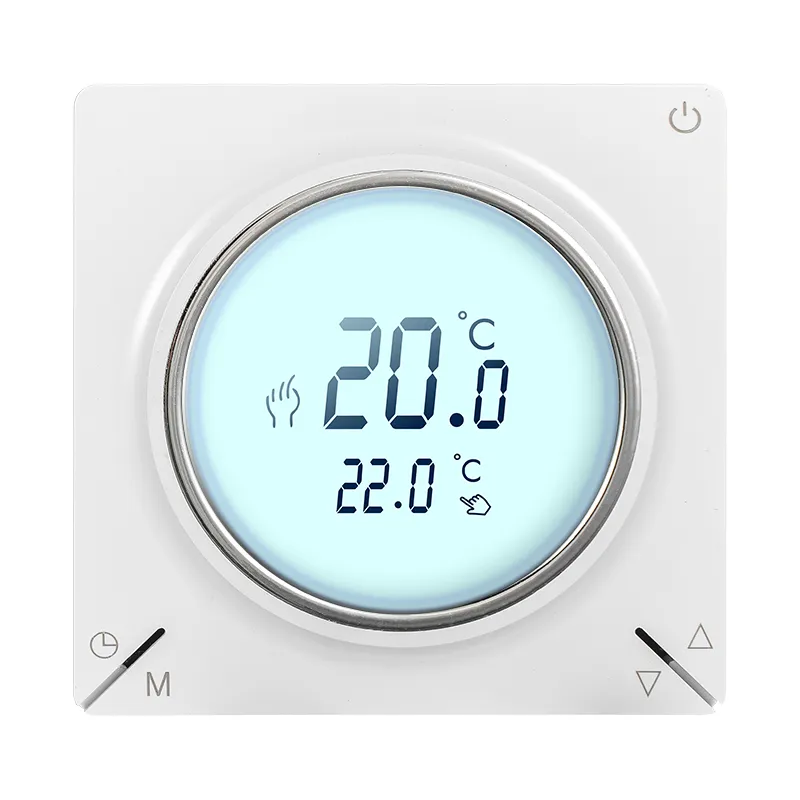
Modern HVAC systems integrate actuators with programmable thermostats and building automation systems. This allows remote control and optimized energy management.
For global markets, a reliable Supplier must ensure compatibility with various valve interfaces such as M30 x 1.5 or other standardized connections.
Why Choose a Professional Electrical Thermal Actuator Manufacturer?
Not all products on the market meet long-term durability standards. When selecting a Manufacturer or Wholesaler, consider the following factors.
Quality Control System
Full inspection of heating elements
Leak-proof housing design
End-of-line functional testing
Long-cycle endurance testing
Stable quality reduces after-sales service costs and protects brand reputation.
OEM and ODM Capabilities
Strong OEM/ODM support allows partners to:
Customize product labeling
Adjust voltage and wiring configurations
Develop new models for specific markets
Provide private packaging solutions
For importers and Wholesalers, Customizable solutions enhance competitiveness and local brand development.
Supply Chain Stability
A professional Supplier ensures:
Consistent production capacity
Short lead times
Global shipping support
Technical documentation and certification
Reliable supply is critical for large-scale HVAC projects.
Advantages Compared with Motorized Actuators
Electrical Thermal Actuator solutions are often preferred in residential heating due to their structural simplicity.
Vantaggi principali
Low power consumption
Silent operation without gears
Gradual motion preventing water hammer
Minimal maintenance requirements
Cost-effective for mass installation
Although motorized actuators respond faster, thermal models provide sufficient response speed for heating systems where rapid switching is not necessary.
Linee guida per l'installazione per ottenere prestazioni ottimali
Correct installation directly affects service life.
Ensure voltage matches product specification
Install in recommended vertical or horizontal position
Avoid exposure to excessive moisture beyond IP rating
Do not manually force the push rod
Verify valve compatibility before installation
With proper installation, service life can exceed several years without internal maintenance.
Market Trends and Future Development
Global building regulations increasingly emphasize energy efficiency. As a result, zoning systems and smart temperature control devices are expanding rapidly.
Future Electrical Thermal Actuator development focuses on:
Faster thermal response
Maggiore efficienza energetica
Compact housing design
Eco-friendly materials
Enhanced integration with smart control systems
Manufacturers investing in research and development are improving reliability while reducing production costs.
Why Electrical Thermal Actuator Is a Strategic Product for Distributors
For HVAC Wholesalers and system integrators, this product category offers several advantages.
High demand in residential construction
Recurring replacement market
Compatibility with various valve brands
Scalable OEM opportunities
By partnering with a capable Manufacturer that provides Customizable and OEM/ODM services, distributors can build long-term product lines with stable profit margins.
Conclusione
Electrical Thermal Actuator plays a critical role in modern hydronic HVAC systems by delivering precise, quiet, and energy-efficient valve control. Whether you are a project contractor, Supplier, or Wholesaler, choosing a professional Manufacturer with strong OEM/ODM capability and Customizable solutions ensures long-term reliability and market success. As energy standards continue to rise, high-quality Electrical Thermal Actuator products will remain essential components in intelligent and sustainable building systems.