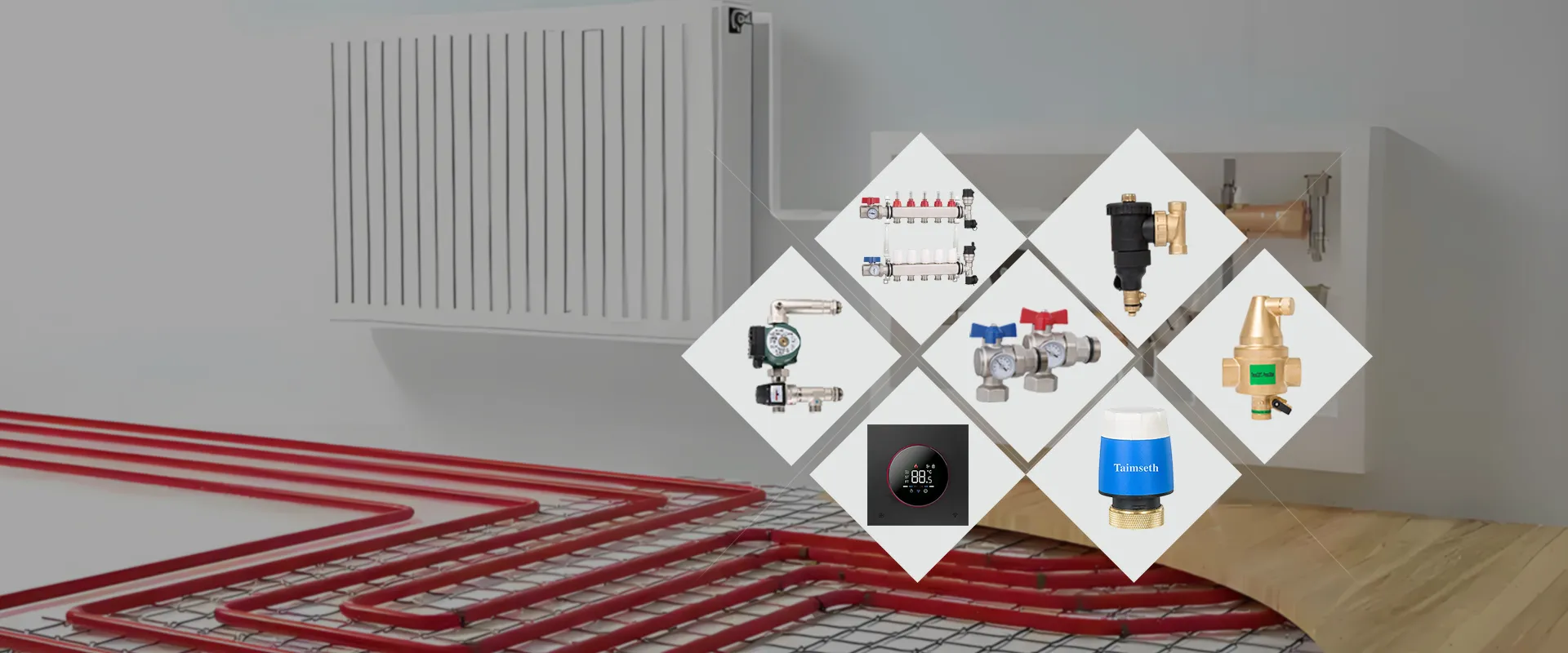
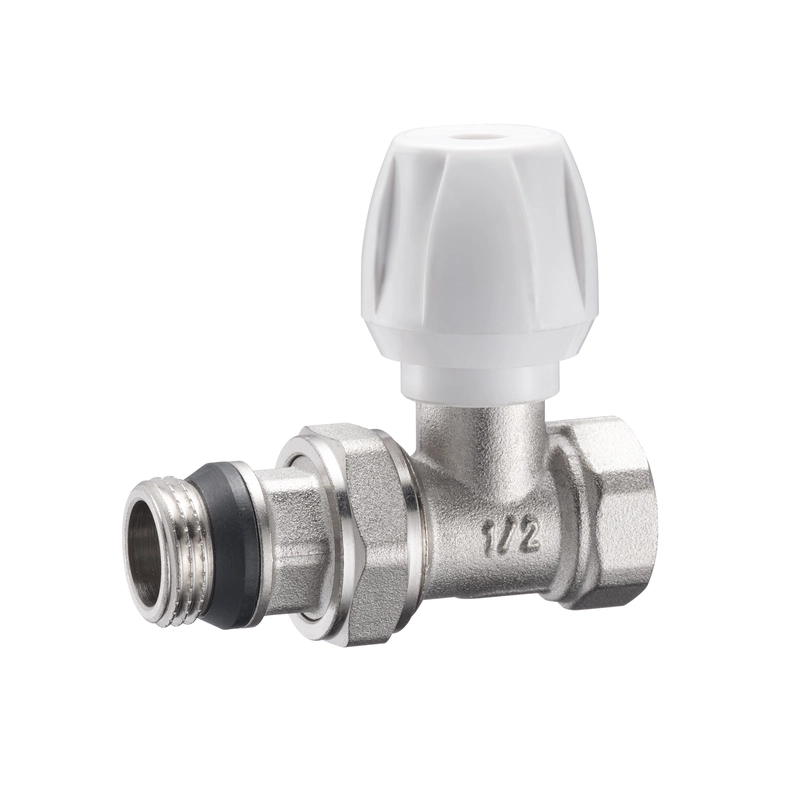
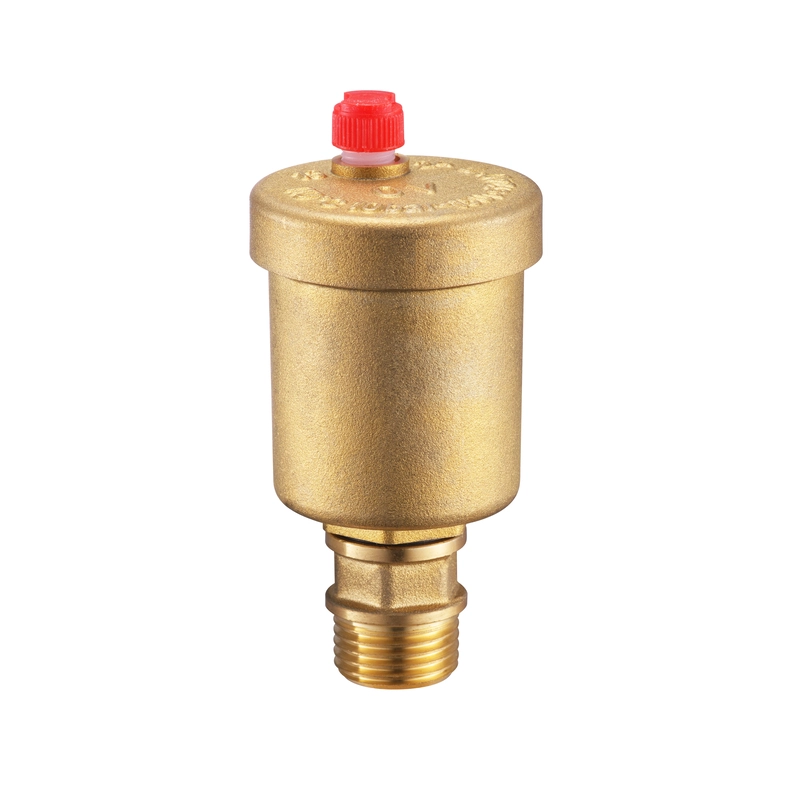
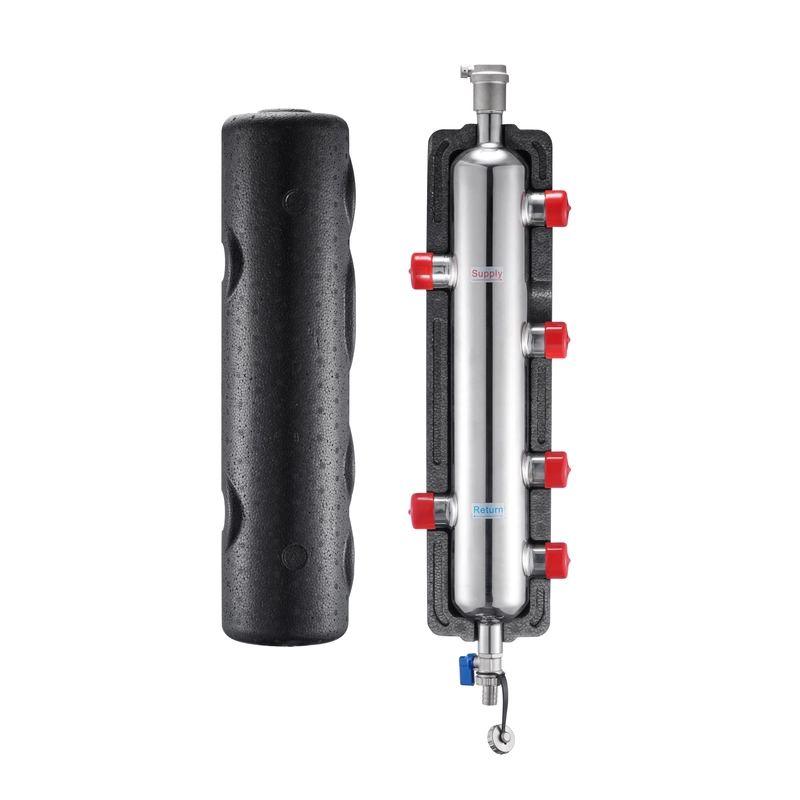
Des systèmes de chauffage mal adaptés, des cahiers des charges imprécis et des délais de livraison peu fiables de la part des équipementiers peuvent entraîner une augmentation des coûts, retarder l'installation et susciter des réclamations. Jinyi répond à ces risques en proposant des solutions de chauffage au sol sur mesure et coordonnées.
Les solutions de chauffage par le sol sur mesure pour les équipementiers (OEM) sont des systèmes adaptés à chaque projet, conçus en fonction de la structure du sol, de la charge thermique, des exigences en matière de régulation, des objectifs énergétiques, des conditions d’installation et des normes locales. Un fabricant agréé assure la conception technique, le choix des composants, la personnalisation de la marque, le contrôle qualité, l’emballage, la logistique, les conseils d’installation et le service après-vente pour les projets de chauffage commerciaux, résidentiels et industriels.
Les sections suivantes expliquent comment un programme OEM structuré permet de réduire les risques, d'améliorer le contrôle et de garantir la bonne réalisation des projets.
Exigences du projet et évaluation technique
La réussite d'un projet de chauffage au sol en OEM repose sur des informations techniques précises. Avant de recommander un système, le fabricant doit évaluer :
- Type de bâtiment et utilisation
- Surface utile totale
- Conditions climatiques régionales
- Performances d'isolation des bâtiments
- Structure du sol et matériaux de finition
- Charge thermique calculée
- Alimentation électrique disponible
- Température de l'eau d'alimentation
- Zones de chauffage obligatoires
- Préférences de contrôle et de surveillance
Ces facteurs permettent de déterminer si le projet nécessite un système de chauffage par le sol à eau chaude, un système de chauffage électrique, ou une configuration mixte.
Ils ont également une incidence sur l'espacement des tuyaux ou des câbles, la puissance de chauffage, la longueur des boucles, la conception du collecteur, le nombre de thermostats, l'emplacement des sondes et le temps de réponse prévu du système de chauffage.
En transformant les informations relatives au projet en spécifications techniques documentées, le fournisseur réduit les incertitudes et offre aux distributeurs, aux maîtres d'œuvre EPC, aux promoteurs et aux gestionnaires d'installations une base plus claire pour la validation, l'établissement du budget et l'approvisionnement.
Options de personnalisation OEM
La personnalisation OEM ne se limite pas à la modification de la puissance de chauffage. Les produits peuvent devoir se conformer aux normes régionales, aux pratiques d'installation, aux exigences en matière d'image de marque et aux préférences du marché cible.
Services de personnalisation courants
- Marques de distributeur et identification des produits
- Logos et couleurs de marque personnalisés
- Boîtes en carton et matériaux d'emballage à l'effigie de la marque
- Manuels d'utilisation disponibles en plusieurs langues
- Spécifications régionales en matière de tension et d'électricité
- Puissance de chauffage personnalisée
- Dimensions sur mesure des tuyaux, câbles ou tapis
- Choix du thermostat et du régulateur
- Configuration du collecteur et des capteurs
- Plans techniques spécifiques au projet
- Instructions d'installation personnalisées
- Kits de pièces de rechange
Pour les distributeurs et les maîtres d'œuvre, ces options de personnalisation favorisent la différenciation des produits et simplifient la distribution sur les marchés locaux.
Grâce à ses capacités en matière de fabrication et de chaîne d'approvisionnement, Jinyi est en mesure de coordonner les spécifications des équipements, les stratégies de contrôle, la conception des systèmes, le conditionnement et la documentation technique.
Important : Chaque dessin, devis, échantillon, nomenclature et cahier des charges approuvé doit comporter un numéro de révision clair avant le début de la production.
Ingénierie et conception de systèmes
Une conception technique professionnelle permet de garantir une répartition équilibrée de la chaleur, un fonctionnement stable et une performance énergétique optimale.
Le processus de conception doit tenir compte des éléments suivants :
- Construction du plancher
- Température intérieure requise
- Calculs des pertes thermiques
- Puissance de chauffage par mètre carré
- Espacement des tuyaux ou des câbles
- Température de fonctionnement
- Performances d'isolation
- Disposition des zones de chauffage
- Logique de commande
- Restrictions d'installation
Conception de systèmes hydroniques
Pour les systèmes de chauffage par le sol à eau, les travaux d'ingénierie peuvent inclure :
- Diamètre et espacement des tuyaux
- Longueur maximale de la boucle
- Capacité du collecteur
- Exigences en matière de débit d'eau
- Choix de la pompe
- Équilibrage des circuits
- Température de l'eau d'alimentation
- Contrôle du mixage
- Compatibilité avec les sources de chaleur
Conception de systèmes électriques
Pour les systèmes de chauffage au sol électriques, les travaux d'ingénierie peuvent inclure :
- Puissance du câble ou du tapis chauffant
- Charge électrique
- Compatibilité avec les thermostats
- Positionnement des capteurs au sol
- Espacement des câbles
- Mesures de sécurité
- Précision de régulation
Une conception technique rigoureuse permet de réduire les irrégularités de chauffage, la surconsommation d'énergie, les erreurs d'installation et les modifications inutiles apportées au projet.
Zones de chauffage et commandes intelligentes
Les zones de chauffage doivent refléter l'utilisation réelle du bâtiment. Les bureaux, les salles de réunion, les appartements, les espaces commerciaux, les entrepôts et les espaces publics peuvent fonctionner selon des horaires différents.
La régulation indépendante par zone permet aux utilisateurs de contrôler chaque zone en fonction du taux d'occupation et des besoins en chauffage.
Fonctions de commande disponibles
- Programmes de température programmables
- Commande individuelle des pièces
- Surveillance de la température du sol
- Modes de fonctionnement automatiques
- Gestion centralisée du système
- Intégration des systèmes de gestion technique des bâtiments
- Surveillance à distance
- Gestion de la consommation d'énergie
Un zonage adéquat permet d'éviter tout chauffage inutile dans les zones inoccupées. Les thermostats programmables aident également les gestionnaires d'immeubles à ajuster la température en fonction des horaires de travail et des habitudes d'occupation.
Jinyi met l'accent sur les solutions CVC économes en énergie et peut prendre en charge les commandes intelligentes, l'intégration au système de gestion du bâtiment (BMS) et les fonctions de surveillance à distance lorsque cela est nécessaire.
Contrôle qualité et inspection des produits
L'assurance qualité doit être intégrée à chaque étape de la production, plutôt que d'être effectuée uniquement après l'assemblage final.
Procédures types de contrôle qualité
- Contrôle des matières entrantes
- Contrôles de conformité des composants
- Contrôle dimensionnel
- Contrôles de sécurité électrique
- Essais liés à la pression
- Test des fonctions du contrôleur
- Contrôle de l'aspect des produits
- Contrôle des emballages
- Vérification finale du cahier des charges
Les produits finis doivent être contrôlés au regard des plans approuvés, des exigences techniques, des instructions d'étiquetage et des normes d'emballage.
Un processus d'inspection documenté permet de détecter les écarts avant l'expédition et fournit aux acheteurs des informations plus claires sur la production et la qualité.
Certification et conformité aux exigences du marché
Les exigences en matière de certification varient en fonction du type de produit, de la configuration du système, du pays de destination et de l'application du projet.
Selon le marché, les acheteurs peuvent demander des documents relatifs à :
- Exigences de la CE
- Systèmes de gestion ISO
- Exigences UL
- Normes de sécurité électrique
- Exigences en matière d'efficacité énergétique
- Règlements locaux en matière d'installation
- Normes techniques spécifiques au projet
Les mentions de certification doivent correspondre exactement au modèle du produit, aux composants fournis et à l'utilisation prévue.
Une documentation claire facilite les formalités douanières, l'approbation des projets, la réception des installations, l'enregistrement des distributeurs et la maintenance à long terme.
Gestion de la production et des livraisons
Une capacité de production stable est essentielle pour garantir la fiabilité des livraisons aux équipementiers.
Un fabricant coordinateur doit gérer :
- Achats de matériaux
- Planification de la production
- Assemblage
- Inspection
- Étiquetage
- Emballage
- Documentation technique
- Préparation de l'expédition
Les acheteurs doivent vérifier les délais de livraison, les quantités minimales de commande, les procédures relatives aux échantillons, la disponibilité des pièces de rechange, les normes d'emballage et les plans d'urgence pour les composants critiques.
L'emballage destiné à l'exportation doit protéger les éléments chauffants, les tuyaux, les collecteurs, les régulateurs, les capteurs, les raccords et la documentation technique pendant la manutention et le transport sur de longues distances.
Jinyi dispose de plusieurs lignes de production et d'un soutien complet tout au long de la chaîne d'approvisionnement. Ses produits et solutions de CVC sont destinés aux marchés d'Asie du Sud-Est, du Moyen-Orient, d'Amérique du Nord et d'Europe.
Installation et service après-vente
Les performances d'un chauffage au sol dépendent fortement d'une installation et d'une mise en service correctes.
L'assistance technique peut inclure :
- Plans d'implantation du système
- Schémas de câblage
- Calendriers multiples
- Manuels d'installation
- Consignes relatives aux essais des circuits
- Procédures de contrôle de la pression
- Mode d'emploi du capteur de sol
- Consignes relatives à l'équilibrage du système
- Assistance à la mise en service
- Dépannage à distance
- Recommandations d'entretien
Une communication technique réactive aide les entrepreneurs à résoudre les problèmes avant qu'ils n'entraînent des retards d'installation, des dysfonctionnements du système ou des réclamations de la part des clients.
Jinyi propose à ses clients des conseils d'installation, une assistance à la mise en service, une assistance technique à distance et des services de maintenance à long terme.
Comment choisir un fournisseur OEM
Les acheteurs devraient comparer les fournisseurs potentiels selon plusieurs critères.
| Domaine d'évaluation | Questions clés |
|---|---|
| Compétences en ingénierie | Le fournisseur est-il en mesure de fournir des calculs et des plans spécifiques au projet ? |
| Personnalisation | Est-il possible d'adapter les spécifications, les contrôles, l'emballage et l'image de marque ? |
| Contrôle qualité | Les matières premières et les produits finis font-ils l'objet d'un contrôle systématique ? |
| Conformité | Le fournisseur est-il en mesure de fournir la documentation technique nécessaire ? |
| Capacité de production | Le volume de production et les délais de livraison peuvent-ils être respectés ? |
| Expérience à l'exportation | Le fournisseur connaît-il les exigences en matière d'expédition internationale ? |
| Assistance technique | Proposez-vous des services d'installation, de mise en service et de dépannage ? |
| Communication | Les questions techniques reçoivent-elles des réponses claires et rapides ? |
L'offre la plus adaptée n'est pas toujours celle dont le prix est le plus bas. Une offre fiable doit définir clairement les performances du produit, les responsabilités techniques, les exclusions, les délais de livraison, les procédures d'inspection, l'emballage, les conditions de garantie et le service après-vente.
Jinyi réunit des capacités de recherche, de développement, de production, de vente et d'accompagnement de projets au sein d'une structure de fabrication coordonnée. Cette approche permet de réduire les problèmes de communication entre les étapes de validation de la conception, de production, de livraison, d'installation, de mise en service et d'exploitation à long terme.
Un partenariat OEM structuré garantit des performances de chauffage fiables, une maîtrise des coûts, une livraison régulière et une valeur ajoutée accrue pour le projet à long terme.