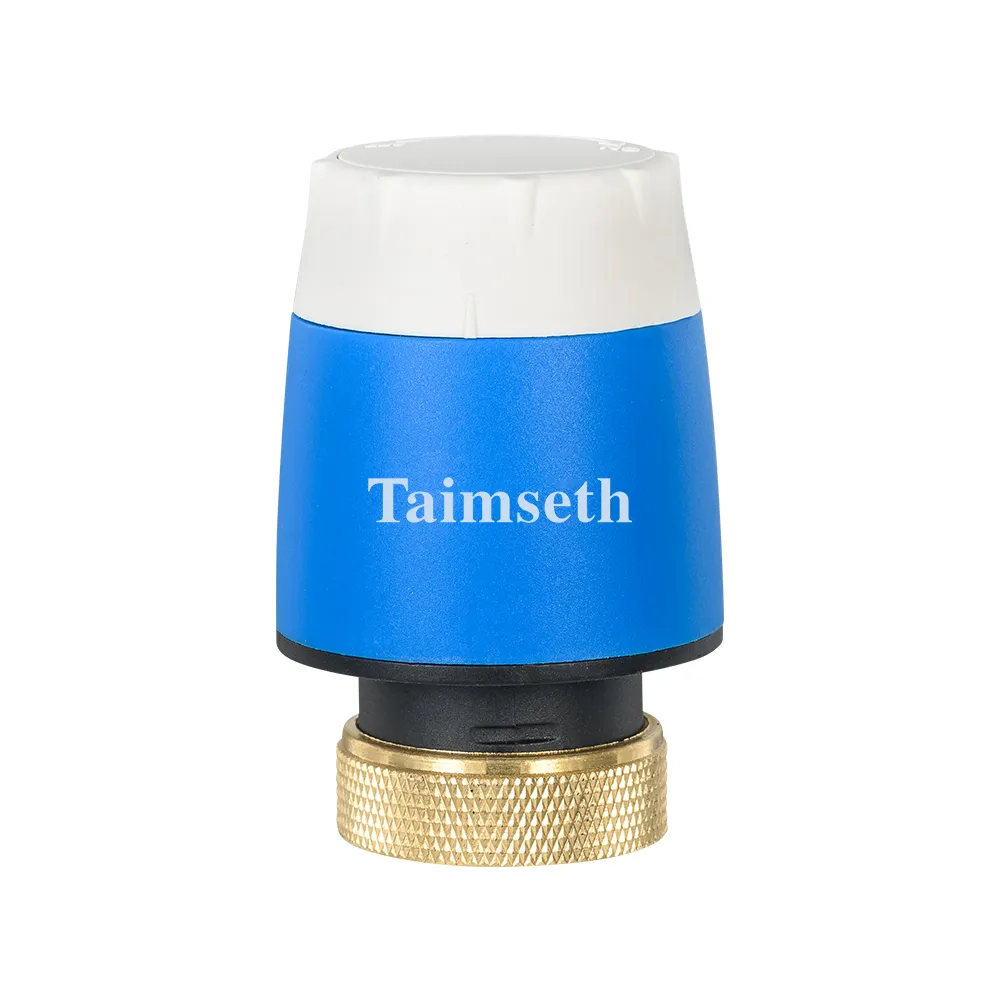
L'actionneur électrothermique est un dispositif électrothermique compact conçu pour contrôler automatiquement le mouvement des vannes dans les systèmes de chauffage et de climatisation hydroniques. En convertissant l'énergie électrique en une dilatation thermique contrôlée, il génère un mouvement linéaire stable permettant une régulation précise du débit. En tant que fabricant et fournisseur professionnel, nous proposons des solutions écoénergétiques, personnalisables et adaptées aux besoins des clients OEM/ODM pour les marchés mondiaux du CVC.
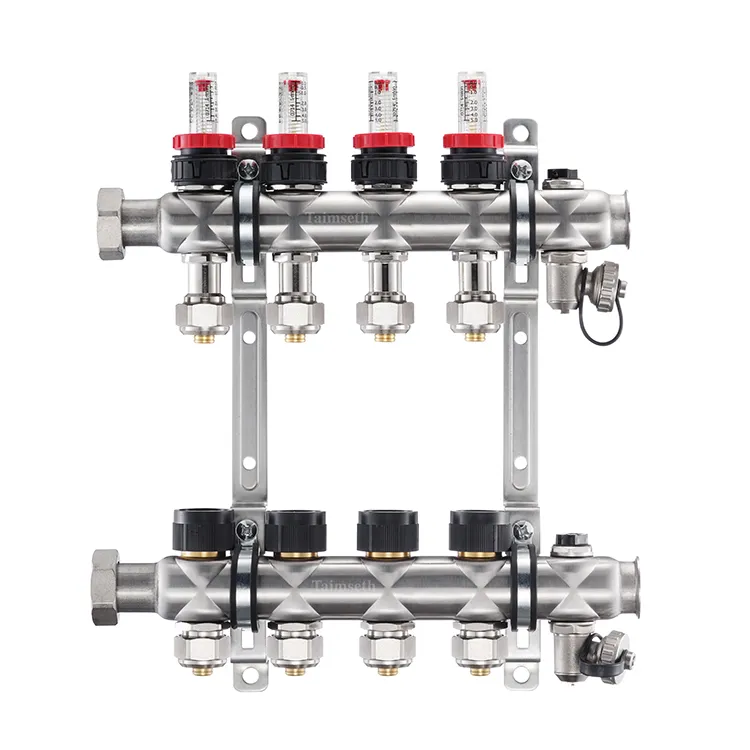
L'actionneur électrothermique est largement utilisé dans les collecteurs de chauffage au sol, les ventilo-convecteurs et les vannes de zonage afin d'assurer un contrôle précis de la température. Il fonctionne silencieusement, consomme peu d'énergie et ne nécessite qu'un entretien minimal. Disponible en versions « normalement fermée » et « normalement ouverte », il s'intègre aux systèmes de zonage CVC à haut rendement énergétique dans les bâtiments résidentiels et commerciaux.
Qu'est-ce qu'un actionneur thermoélectrique ?
Un actionneur thermique électrique est un dispositif automatique de commande de vanne qui fonctionne grâce à la dilatation thermique plutôt qu'à l'aide d'un moteur. Il est généralement installé sur les vannes de collecteur ou les vannes de régulation dans les systèmes hydroniques.
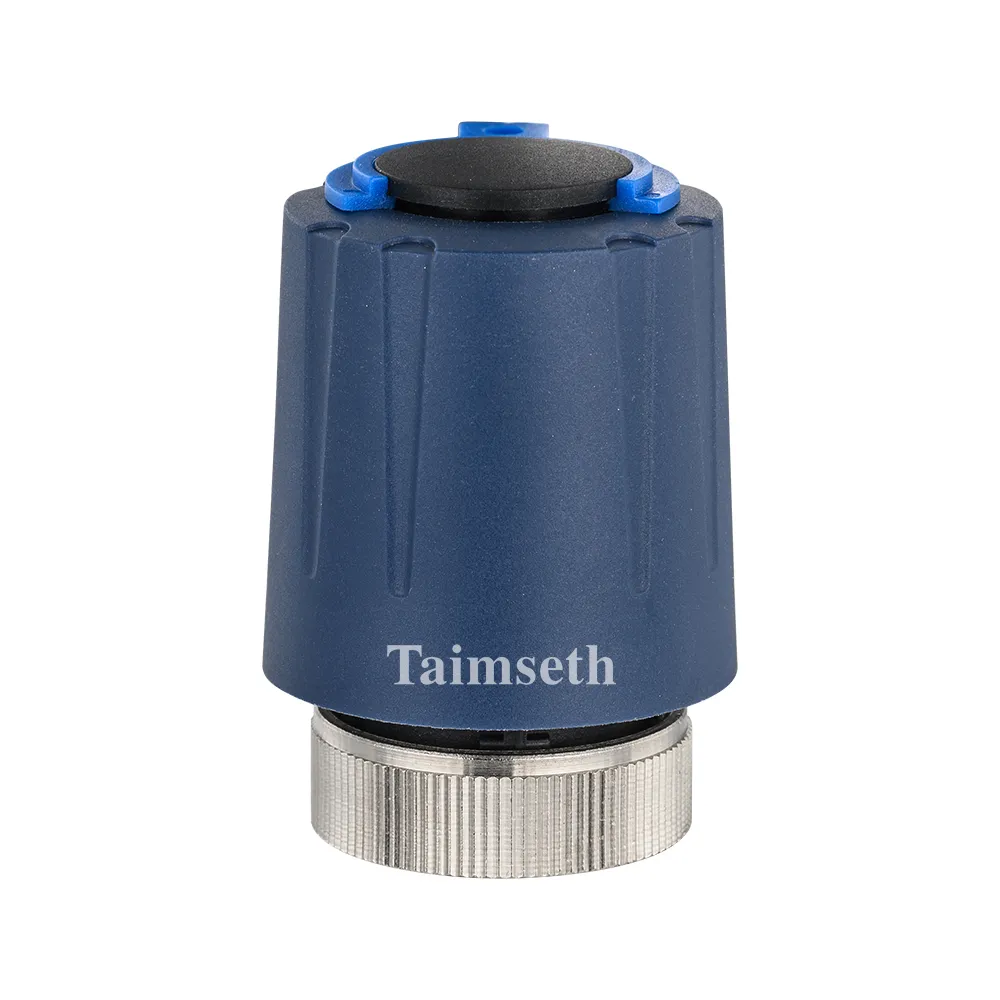
Principaux composants
La structure interne comprend généralement :
Élément chauffant
Milieu d'expansion thermosensible
Tige de poussée ou piston
Mécanisme de rappel par ressort
Raccordement électrique et boîtier
Lorsqu'il est sous tension, l'élément chauffant fait augmenter la température du fluide de dilatation. En se dilatant, celui-ci pousse la tige vers l'extérieur pour ouvrir ou fermer la vanne. Lorsque l'alimentation est coupée, le fluide refroidit et se contracte, et le ressort ramène l'actionneur à sa position initiale.
Cette structure simple contribue à une longue durée de vie et à des performances constantes.
En quoi un actionneur thermique électrique améliore-t-il le rendement des systèmes CVC ?
Un contrôle précis par zone a une incidence directe sur la consommation d'énergie. Au lieu de chauffer ou de climatiser l'ensemble d'un bâtiment de manière uniforme, les actionneurs permettent de réguler la température de manière indépendante.
Potentiel d'économies d'énergie
Des études portant sur les systèmes de zonage hydronique indiquent que la régulation pièce par pièce peut réduire la consommation d'énergie de chauffage de 10 % à 20 %, en fonction de la qualité de l'isolation et des habitudes d'utilisation.
La technologie des actionneurs thermoélectriques contribue à cette efficacité grâce aux éléments suivants :
Assurer un mouvement stable et progressif de la soupape
Prévention des coups de bélier
Assurer une régulation constante du débit
Réduire le fonctionnement inutile de la chaudière ou de la pompe
Pour les distributeurs et les grossistes, la mise en avant des performances en matière d'économies d'énergie constitue un argument de vente de poids sur les marchés où la réglementation en matière de construction est stricte.
Normalement fermé ou normalement ouvert : lequel choisir ?
Il est essentiel de choisir la bonne configuration.
Type normalement fermé
La vanne reste fermée en l'absence d'alimentation électrique
S'ouvre lorsque la tension est appliquée
Couramment utilisé dans les collecteurs de chauffage au sol
Type normalement ouvert
La vanne reste ouverte en l'absence d'alimentation électrique
Se ferme lorsqu'il est sous tension
Convient aux systèmes à sécurité intégrée ou aux systèmes où le refroidissement est primordial
Un fabricant professionnel devrait proposer les deux versions afin de répondre aux différentes configurations régionales des systèmes.
Caractéristiques techniques principales de l'actionneur thermique électrique
La compréhension des paramètres techniques aide les maîtres d'œuvre et les fournisseurs à choisir les modèles adaptés.
Paramètre | Plage typique
Tension | 24 V CA/CC ou 230 V CA
Consommation électrique | 2 W à 5 W
Longueur de course | 3 mm à 5 mm
Délai de réponse | 2 à 5 minutes
Indice de protection | IP40 à IP54
Durée de vie | Plus de 100 000 cycles
Température de fonctionnement | De -5 à 60 degrés Celsius
Les options personnalisables telles que la longueur du câble, le type de connecteur, la tolérance de course et le matériau du boîtier jouent un rôle important dans le cadre d'une collaboration OEM/ODM.
Où utilise-t-on généralement les actionneurs thermoélectriques ?
Systèmes de chauffage par le sol
Installés sur les collecteurs de distribution, les actionneurs commandent chaque boucle individuellement. Cela garantit une répartition équilibrée de la chaleur et un meilleur confort intérieur.
Ventilo-convecteurs
Ils régulent le débit d'eau chaude ou d'eau froide, contribuant ainsi à maintenir une température ambiante constante dans les hôtels, les bureaux et les appartements.
Intégration d'un thermostat intelligent
Les systèmes CVC modernes intègrent des actionneurs, des thermostats programmables et des systèmes d'automatisation des bâtiments. Cela permet un contrôle à distance et une gestion optimisée de l'énergie.
Sur les marchés internationaux, un fournisseur fiable doit garantir la compatibilité avec différentes interfaces de vannes, telles que le filetage M30 x 1,5 ou d'autres raccords normalisés.
Pourquoi choisir un fabricant professionnel d'actionneurs thermoélectriques ?
Tous les produits disponibles sur le marché ne répondent pas aux normes de durabilité à long terme. Lorsque vous choisissez un fabricant ou un grossiste, tenez compte des facteurs suivants.
Système de contrôle qualité
Inspection complète des éléments chauffants
Conception d'un boîtier étanche
Contrôles fonctionnels en fin de ligne
Essais d'endurance à cycle long
Une qualité constante permet de réduire les coûts liés au service après-vente et de préserver la réputation de la marque.
Capacités OEM et ODM
Un soutien solide en matière d'OEM/ODM permet à nos partenaires de :
Personnaliser l'étiquetage des produits
Régler la tension et les configurations de câblage
Développer de nouveaux modèles destinés à des marchés spécifiques
Proposer des solutions d'emballage sur mesure
Pour les importateurs et les grossistes, les solutions sur mesure renforcent la compétitivité et favorisent le développement des marques locales.
Stabilité de la chaîne d'approvisionnement
Un fournisseur professionnel garantit :
Capacité de production constante
Délais de livraison courts
Prise en charge des expéditions internationales
Documentation technique et certification
Un approvisionnement fiable est essentiel pour les projets de CVC à grande échelle.
Avantages par rapport aux actionneurs motorisés
Les solutions d'actionneurs thermoélectriques sont souvent privilégiées dans le domaine du chauffage résidentiel en raison de leur simplicité structurelle.
Principaux avantages
Faible consommation d'énergie
Fonctionnement silencieux sans engrenages
Mouvement progressif empêchant les coups de bélier
Besoins d'entretien minimes
Rentable pour une installation à grande échelle
Bien que les actionneurs motorisés réagissent plus rapidement, les modèles thermiques offrent une vitesse de réponse suffisante pour les systèmes de chauffage ne nécessitant pas de commutation rapide.
Consignes d'installation pour des performances optimales
Une installation correcte a une incidence directe sur la durée de vie.
Vérifiez que la tension correspond aux caractéristiques techniques du produit
Installez l'appareil dans la position recommandée (verticale ou horizontale)
Évitez toute exposition à une humidité excessive dépassant le niveau de protection IP
Ne forcez pas manuellement la tige de poussée
Vérifiez la compatibilité de la vanne avant l'installation
Si l'installation est effectuée correctement, la durée de vie peut dépasser plusieurs années sans nécessiter d'entretien interne.
Tendances du marché et perspectives d'évolution
Les réglementations mondiales en matière de construction accordent une importance croissante à l'efficacité énergétique. En conséquence, les systèmes de zonage et les dispositifs intelligents de régulation de la température connaissent un essor rapide.
Le développement futur des actionneurs thermo-électriques s'articule autour des axes suivants :
Réponse thermique plus rapide
Amélioration de l'efficacité énergétique
Conception compacte du boîtier
Matériaux respectueux de l'environnement
Intégration renforcée avec les systèmes de commande intelligents
Les fabricants qui investissent dans la recherche et le développement améliorent la fiabilité de leurs produits tout en réduisant leurs coûts de production.
Pourquoi l'actionneur thermoélectrique est-il un produit stratégique pour les distributeurs ?
Pour les grossistes en CVC et les intégrateurs de systèmes, cette catégorie de produits présente plusieurs avantages.
Forte demande dans le secteur de la construction résidentielle
Marché des remplacements récurrents
Compatibilité avec différentes marques de vannes
Opportunités OEM évolutives
En s'associant à un fabricant compétent proposant des services de personnalisation et d'OEM/ODM, les distributeurs peuvent développer des gammes de produits pérennes offrant des marges bénéficiaires stables.
Conclusion
Les actionneurs thermoélectriques jouent un rôle essentiel dans les systèmes CVC hydroniques modernes en assurant un contrôle précis, silencieux et économe en énergie des vannes. Que vous soyez maître d'œuvre, fournisseur ou grossiste, le choix d'un fabricant professionnel doté de solides capacités OEM/ODM et proposant des solutions personnalisables vous garantit une fiabilité à long terme et un succès commercial. À mesure que les normes énergétiques continuent de se renforcer, les actionneurs thermoélectriques de haute qualité resteront des composants essentiels des systèmes de construction intelligents et durables.