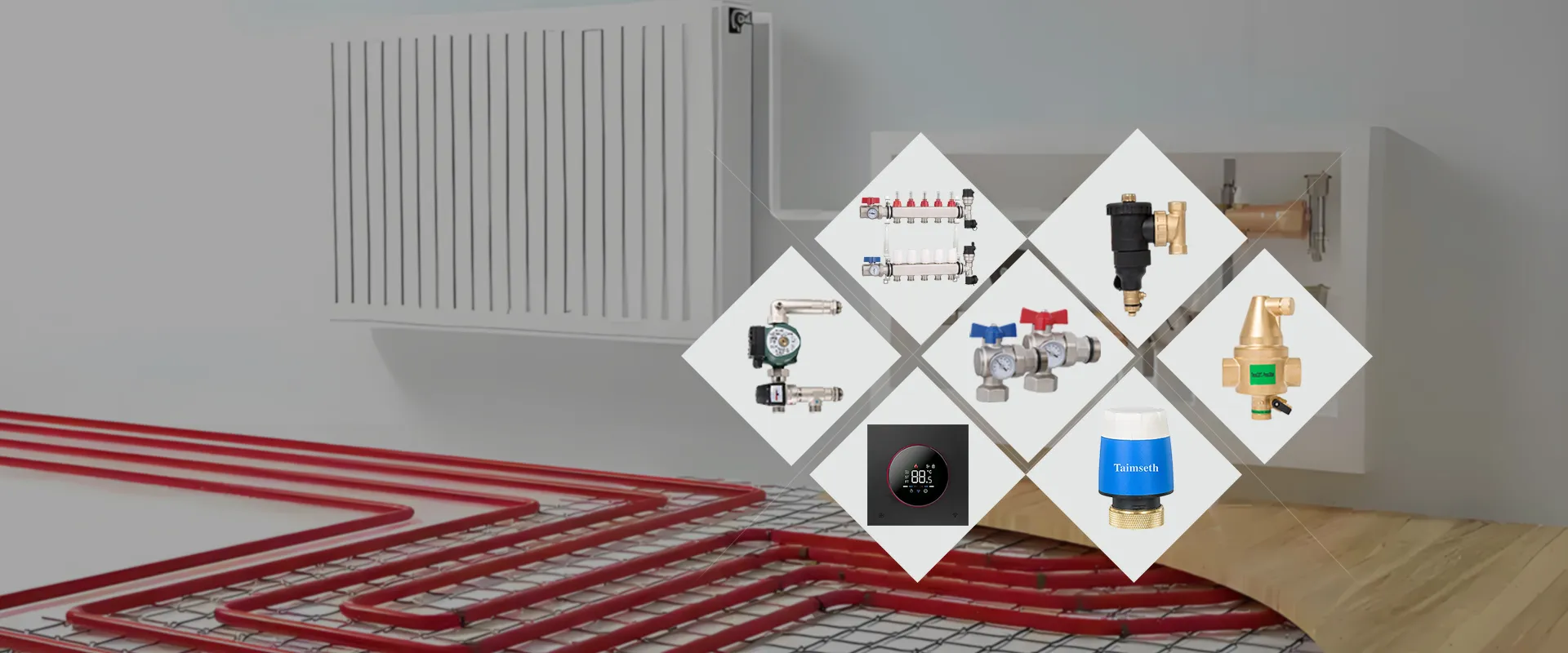
Poor floor heating control wastes energy and reduces comfort. Uneven temperatures increase costs. The right manifold and actuator system ensures efficient heating management.
Floor heating manifolds and electro-thermal actuators are essential components for modern hydronic underfloor heating systems. The manifold distributes heated water accurately, while actuators control individual heating zones for improved comfort, energy efficiency, and precise temperature regulation.
Understanding how these components work helps buyers select reliable solutions for residential and commercial heating projects.
What Is a Floor Heating Manifold?
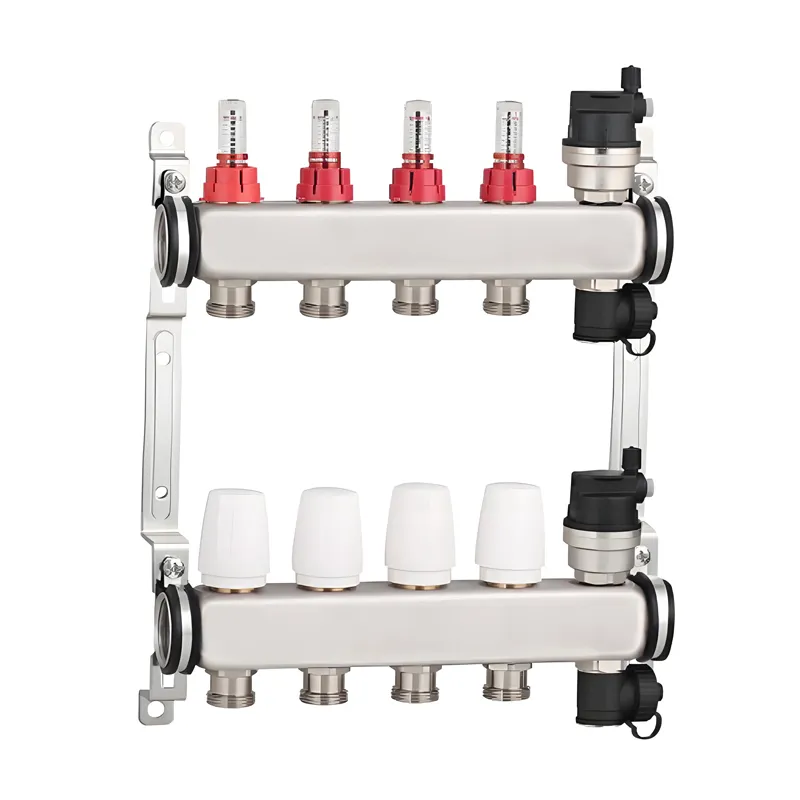
A floor heating manifold is the central distribution unit of a hydronic underfloor heating system. It connects the heat source, such as a boiler, heat pump, or renewable energy system, with multiple heating loops installed beneath the floor.
The manifold controls the flow of hot water through each circuit, ensuring that every room receives the correct amount of heat. Compared with traditional heating methods, a properly designed manifold provides better temperature balance and allows independent zone management.
Modern manifolds are usually manufactured from durable materials such as stainless steel, brass, or high-performance engineering plastics. These materials provide corrosion resistance, long service life, and stable performance under continuous heating conditions.
A typical floor heating manifold includes several important components:
- Flow meters: Measure and adjust water flow for each heating circuit.
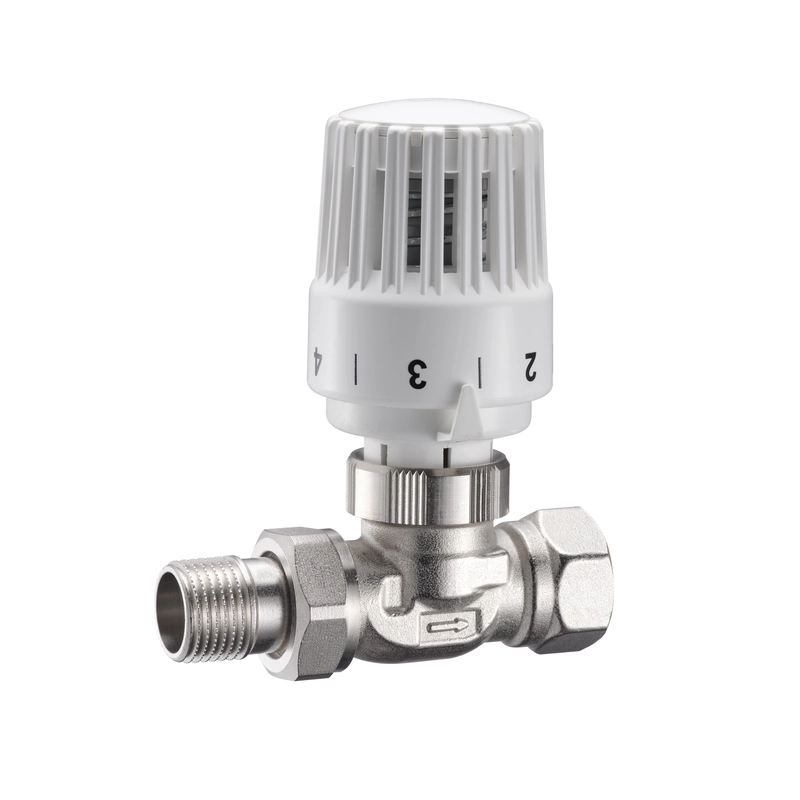
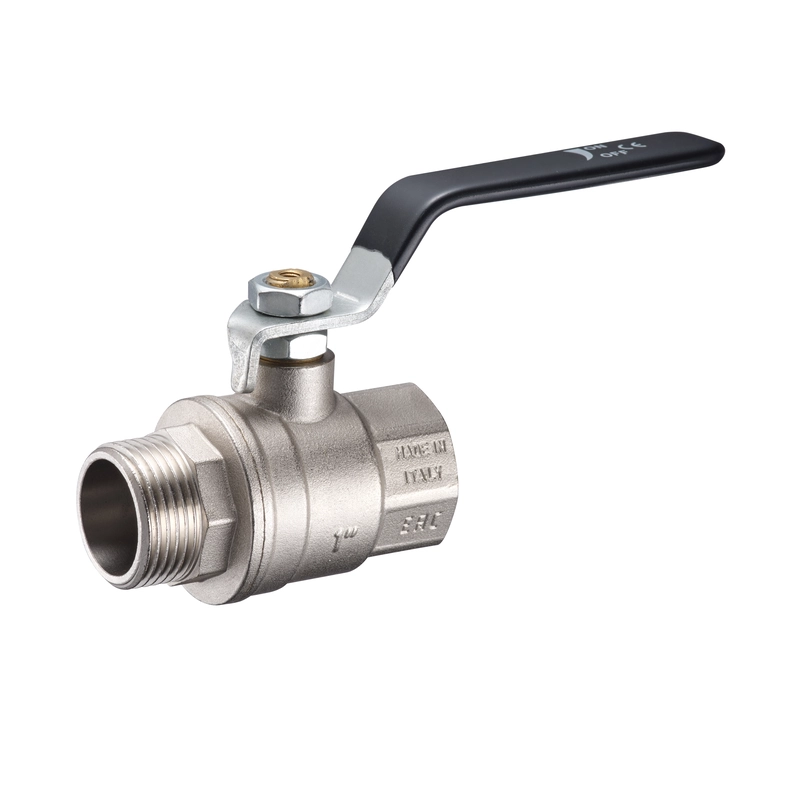
- Valves: Control water distribution and system balance.
- Drain and filling ports: Simplify installation and maintenance.
- Air vents: Remove trapped air to improve system efficiency.
- Pressure gauges: Monitor system pressure for safe operation.
For installers and distributors, selecting a high-quality manifold is important because it directly affects heating performance, energy consumption, and system reliability.
The Role of Electro-thermal Actuators
An electro-thermal actuator is a smart control device installed on the manifold valve. Its main function is to open or close the water flow according to signals from thermostats or building management systems.
When the room temperature drops below the set value, the thermostat sends an electrical signal to the actuator. The actuator then opens the valve, allowing warm water to enter the heating loop. When the desired temperature is reached, the actuator closes the valve to prevent unnecessary energy consumption.
This automatic control process creates a more comfortable indoor environment while reducing heating waste.
Electro-thermal actuators are widely used in:
- Residential apartments
- Villas and houses
- Hotels
- Office buildings
- Commercial facilities
- Smart home heating systems
Compared with manual valves, electric actuators provide more accurate temperature control and support multi-zone heating management. Users can adjust different rooms independently, improving both comfort and energy savings.
Benefits of Combining Manifolds and Actuators
A floor heating manifold and electro-thermal actuator work together as a complete temperature control solution. Their combination provides several advantages.
1. Precise Zone Control
Different rooms have different heating requirements. Bedrooms, living rooms, kitchens, and offices may require different temperatures.
With actuators installed on each manifold circuit, users can control each zone separately. This prevents overheating unused areas and improves overall system efficiency.
2. Improved Energy Efficiency
Heating accounts for a significant portion of building energy consumption. Poor control systems can cause unnecessary heat loss and higher operating costs.
A well-designed manifold with automatic actuators regulates water flow according to actual demand. This helps reduce energy usage while maintaining comfortable indoor temperatures.
3. Better System Balance
Uneven heating is a common problem in underfloor heating systems. Some rooms may become too warm while others remain cold.
Flow-controlled manifolds ensure balanced water distribution, while actuators provide automatic adjustments based on temperature requirements. Together, they create a more stable heating environment.
4. Easy Integration With Smart Systems
Modern electro-thermal actuators can work with smart thermostats, wireless controls, and building automation systems.
This allows users to manage heating remotely, create heating schedules, and optimize energy consumption based on daily routines.
How to Choose the Right Floor Heating Components?
When selecting a floor heating manifold and actuator system, several factors should be considered.
First, the number of heating zones should match the project requirements. Residential projects may need fewer circuits, while commercial buildings often require larger manifold assemblies.
Second, product quality and material selection are important. Stainless steel and brass components typically offer excellent durability and corrosion resistance.
Third, compatibility between the manifold and actuator should be confirmed. Proper matching ensures smooth installation and reliable operation.
Finally, suppliers should provide technical support, customization options, and consistent product quality for different market requirements.
Applications in Modern Heating Projects
With increasing demand for energy-efficient buildings, underfloor heating systems are becoming more popular worldwide. Floor heating manifolds and electro-thermal actuators are now widely applied in green buildings, smart homes, and commercial heating projects.
For manufacturers, distributors, and engineering companies, reliable heating components provide opportunities to meet growing market demand. Products with stable performance, easy installation, and smart control functions are becoming key choices for modern heating solutions.
A professional supplier can provide complete solutions, including manifolds, actuators, valves, and customized heating accessories, helping customers improve system efficiency and project reliability.
Conclusion
Floor heating manifolds and electro-thermal actuators deliver precise control, energy savings, and comfortable heating performance for modern buildings.