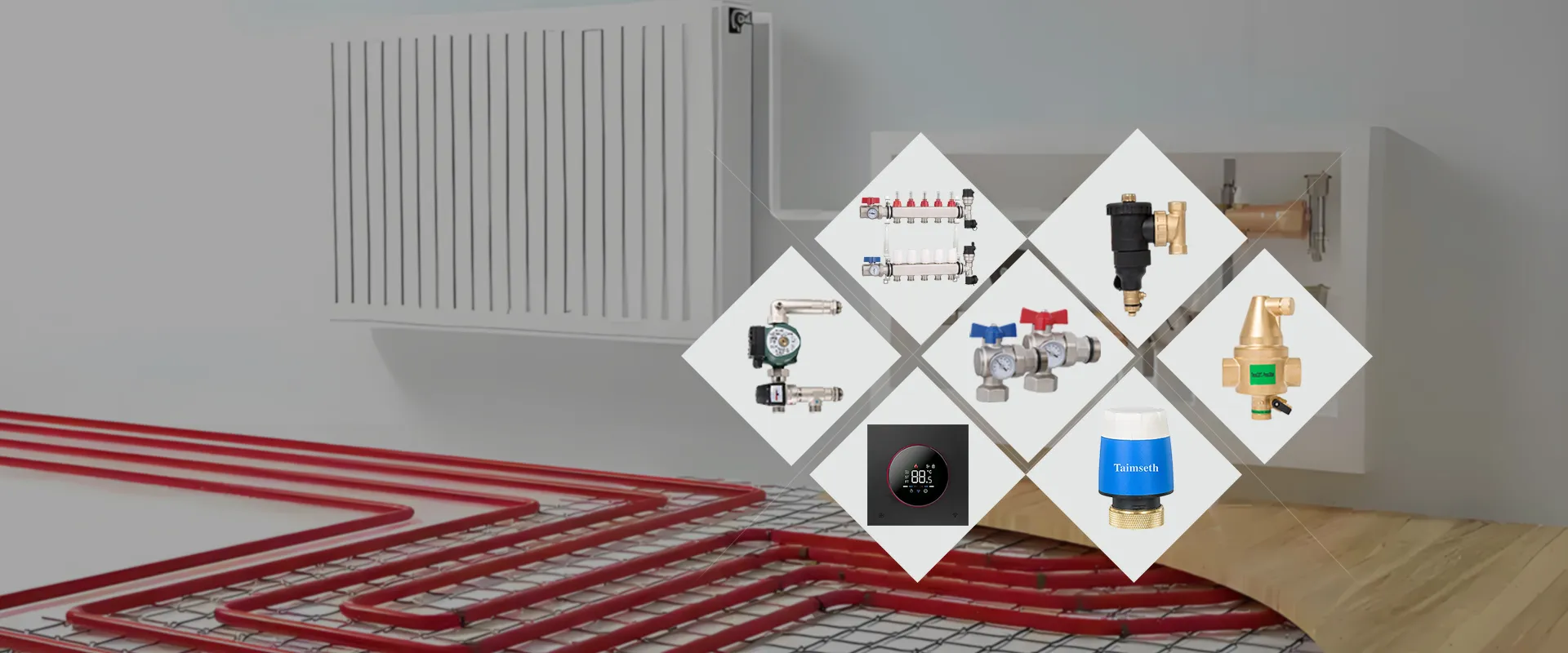
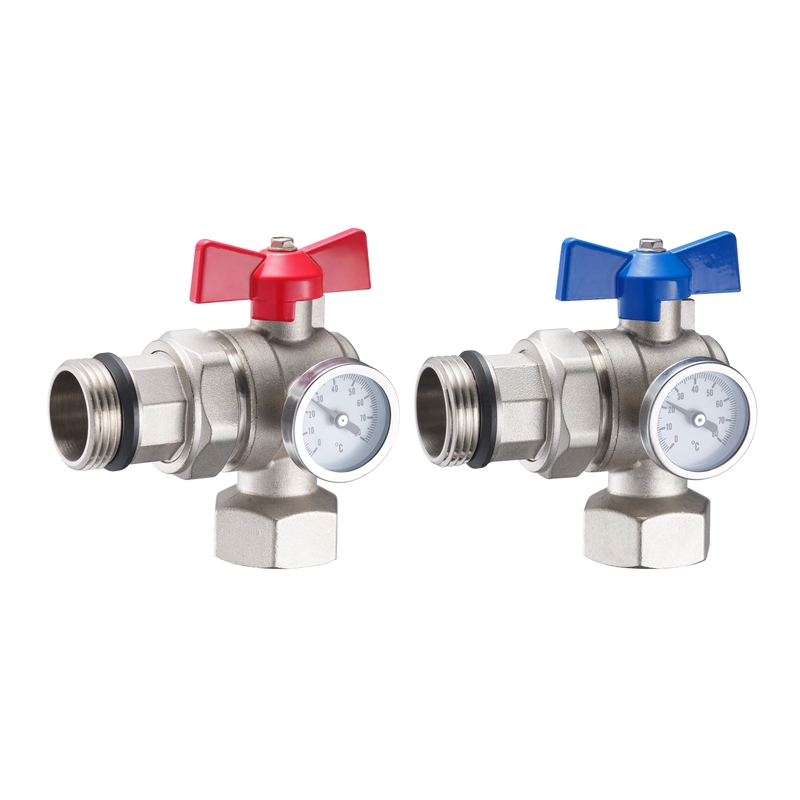
Una mala elección del termostato puede aumentar los costes energéticos, reducir el confort y provocar un rendimiento irregular del sistema de calefacción, ventilación y aire acondicionado. La elección de funciones avanzadas mejora la eficiencia, el control y la fiabilidad a largo plazo.
Los termostatos HVAC modernos difieren en conectividad, funciones de ahorro de energía, soporte de zonificación, compatibilidad y características de automatización. Los termostatos inteligentes proporcionan acceso remoto, programación y control de la energía, mientras que los modelos programables y no programables ofrecen distintos niveles de control. Comparar las características de los termostatos ayuda a los usuarios comerciales e industriales a seleccionar sistemas que mejoran la eficiencia, el confort y la gestión operativa.
Conocer las características de los termostatos ayuda a las empresas a elegir sistemas de control HVAC que se ajusten a los requisitos operativos y a los objetivos de gestión energética.
Por qué son importantes las características del termostato en los sistemas de climatización
Los termostatos son componentes de control esenciales en los sistemas de calefacción, ventilación y aire acondicionado. Regulan la calefacción, la refrigeración, la ventilación y el confort interior controlando la temperatura y ajustando automáticamente el rendimiento del sistema. En las instalaciones industriales y comerciales, la selección del termostato adecuado repercute directamente en el consumo de energía, la eficiencia operativa y el confort de los ocupantes.
Los sistemas modernos de calefacción, ventilación y aire acondicionado dependen cada vez más de termostatos inteligentes para optimizar el rendimiento de los edificios. Los termostatos tradicionales pueden ofrecer únicamente un ajuste básico de la temperatura, mientras que los termostatos inteligentes avanzados permiten la automatización, la gestión remota y el análisis energético. Las empresas con necesidades complejas de climatización suelen beneficiarse de funciones de control avanzadas que mejoran la capacidad de respuesta del sistema y reducen el consumo innecesario de energía.
Instalaciones como edificios de oficinas, almacenes, plantas industriales y complejos comerciales requieren un control fiable de la climatización para mantener unas condiciones interiores estables. La capacidad de los termostatos puede influir significativamente en los costes de mantenimiento, la eficiencia energética y la estabilidad operativa a largo plazo.
Tipos de termostatos HVAC
Termostatos no programables
Los termostatos no programables son la opción más básica. Permiten a los usuarios ajustar manualmente la temperatura, pero no admiten programación automática ni funciones avanzadas de ahorro de energía.
Las características clave incluyen:
- Funcionamiento sencillo
- Menor coste inicial
- Automatización limitada
- Adecuado para entornos pequeños o de baja demanda
Aunque asequibles, estos termostatos pueden suponer mayores costes operativos porque las temperaturas deben ajustarse manualmente.
Termostatos programables
Los termostatos programables permiten a los usuarios crear ajustes de temperatura programados en función de las horas de funcionamiento o los patrones de ocupación.
Las características comunes incluyen:
- Programación diaria o semanal
- Ajuste automático de la temperatura
- Reducción del consumo de energía
- Mejora de la gestión del confort
Las instalaciones comerciales suelen utilizar termostatos programables para reducir el funcionamiento de los sistemas de calefacción, ventilación y aire acondicionado durante las horas no laborables, lo que ayuda a reducir los gastos en servicios públicos.
Termostatos inteligentes
Los termostatos inteligentes ofrecen funciones avanzadas de conectividad y automatización. Estos sistemas se integran con redes Wi-Fi, aplicaciones móviles y sistemas de gestión de edificios (BMS).
Entre las funciones típicas de los termostatos inteligentes se incluyen:
- Seguimiento y control a distancia
- Algoritmos de aprendizaje
- Informes sobre el consumo de energía
- Detección de ocupación
- Integración con sistemas de edificios inteligentes
Los termostatos inteligentes se utilizan cada vez más en proyectos industriales y comerciales de calefacción, ventilación y aire acondicionado porque mejoran la visibilidad operativa y la optimización energética.
Comparación de las principales funciones del termostato
Conectividad y acceso remoto
Una de las principales diferencias entre los modelos de termostato es la capacidad de conectividad. Los termostatos inteligentes ofrecen acceso remoto a través de smartphones, tabletas u ordenadores.
Los beneficios incluyen:
- Control de la climatización en tiempo real
- Ajuste remoto de la temperatura
- Detección más rápida de problemas
- Mejora de la gestión de las instalaciones
Para las empresas que operan en varios centros, la gestión remota simplifica la supervisión de la climatización y reduce los tiempos de respuesta.
Funciones de eficiencia energética
Las funciones de ahorro de energía son fundamentales para reducir los costes operativos. Los termostatos avanzados pueden incluir:
- Programación adaptativa
- Informes sobre consumo de energía
- Ajustes en función de la ocupación
- Funciones de retroceso automático
Estas características ayudan a que los sistemas de calefacción, ventilación y aire acondicionado funcionen sólo cuando es necesario, minimizando el derroche de energía y manteniendo el confort interior.
Compatibilidad con la zonificación
Los grandes edificios comerciales suelen requerir un control por zonas para gestionar los distintos requisitos de temperatura en múltiples áreas.
Los termostatos con soporte de zonificación pueden:
- Controla zonas HVAC independientes
- Mejorar la coherencia del confort
- Reducir la calefacción o refrigeración innecesarias
- Aumentar la eficacia del sistema
El control de climatización por zonas es especialmente valioso en oficinas, centros comerciales e instalaciones industriales con patrones de ocupación variables.
Compatibilidad con equipos HVAC
No todos los termostatos son compatibles con todos los tipos de sistemas HVAC. Las consideraciones de compatibilidad pueden incluir:
- Bombas de calor
- Sistemas multietapa
- Sistemas de flujo de refrigerante variable (VRF)
- Sistemas de ventilación
- Equipos de calefacción industrial
Seleccionar termostatos compatibles garantiza un funcionamiento estable y evita problemas de comunicación entre los componentes.
Interfaz de usuario y facilidad de uso
La facilidad de uso del termostato es otro factor importante. Los dispositivos modernos suelen incluir:
- Pantallas táctiles
- Integración de aplicaciones móviles
- Compatibilidad con el control por voz
- Soporte multilingüe
Las interfaces sencillas mejoran la eficacia operativa y reducen los requisitos de formación del personal de gestión de las instalaciones.
Termostatos inteligentes frente a termostatos tradicionales
Los termostatos tradicionales siguen siendo adecuados para aplicaciones sencillas de calefacción, ventilación y aire acondicionado con requisitos mínimos de automatización. Sin embargo, los termostatos inteligentes ofrecen importantes ventajas a los usuarios comerciales e industriales.
| Característica | Termostato tradicional | Termostato inteligente |
|---|---|---|
| Control manual | Sí | Sí |
| Programación | Limitado | Avanzado |
| Acceso remoto | No | Sí |
| Informes sobre energía | No | Sí |
| Capacidad de aprendizaje | No | Sí |
| Integración móvil | No | Sí |
En general, los termostatos inteligentes proporcionan una mejor gestión energética a largo plazo y una mayor flexibilidad operativa, especialmente en el caso de las grandes instalaciones.
Factores a tener en cuenta al elegir un termostato
Al comparar las características de los termostatos de los sistemas de calefacción, ventilación y aire acondicionado, las empresas deben evaluar varios factores:
Tamaño y complejidad del edificio
Las instalaciones de mayor tamaño suelen requerir funciones avanzadas de zonificación y automatización para mantener unas condiciones interiores uniformes de forma eficiente.
Objetivos de gestión energética
Las organizaciones centradas en reducir los gastos operativos pueden dar prioridad a las funciones inteligentes de ahorro de energía y a los análisis de uso.
Compatibilidad del sistema HVAC
Los termostatos deben ajustarse a las especificaciones técnicas del equipo de calefacción, ventilación y aire acondicionado para garantizar una comunicación y un rendimiento fiables.
Escalabilidad futura
Las instalaciones que prevean futuras ampliaciones pueden beneficiarse de termostatos compatibles con sistemas de automatización de edificios y tecnologías de supervisión remota.
Mantenimiento y asistencia
Una asistencia técnica fiable y unos servicios de mantenimiento a largo plazo son importantes para minimizar el tiempo de inactividad y mantener la eficiencia de los sistemas de climatización.
Jinyi HVAC proporciona soluciones de calefacción, ventilación y aire acondicionado energéticamente eficientes con compatibilidad de control inteligente para respaldar operaciones comerciales e industriales fiables.
Elegir el termostato adecuado mejora la eficiencia de la climatización, el confort, la automatización y el rendimiento operativo a largo plazo de las instalaciones comerciales e industriales.