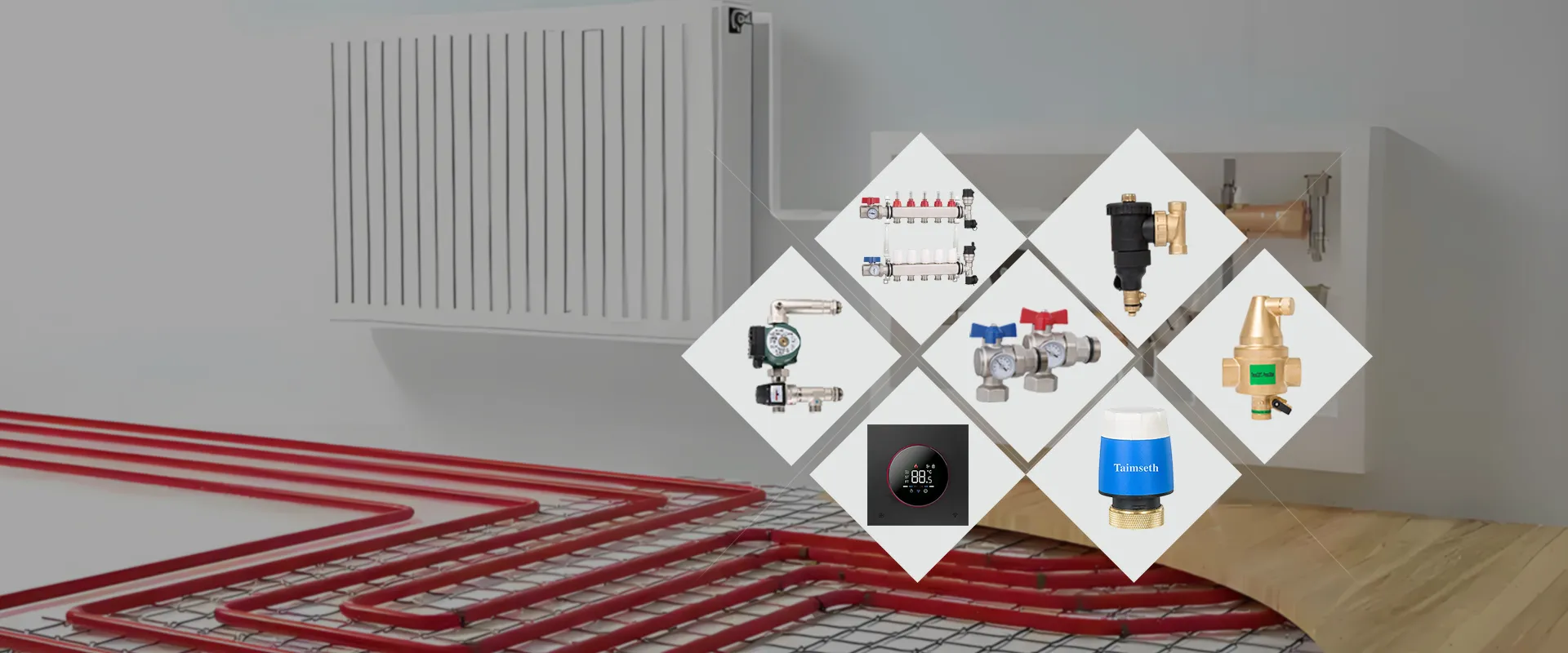
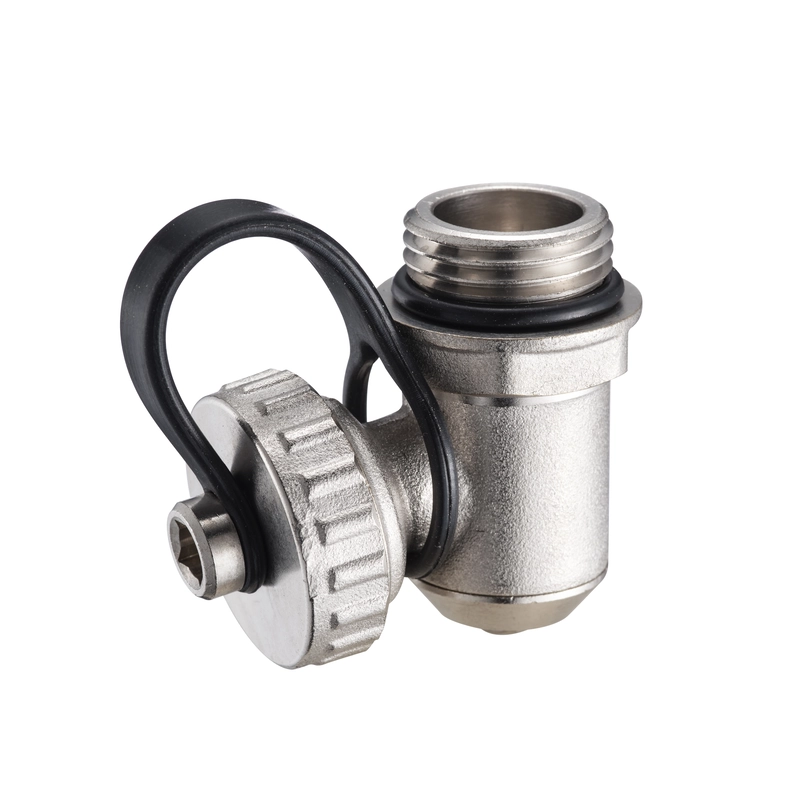
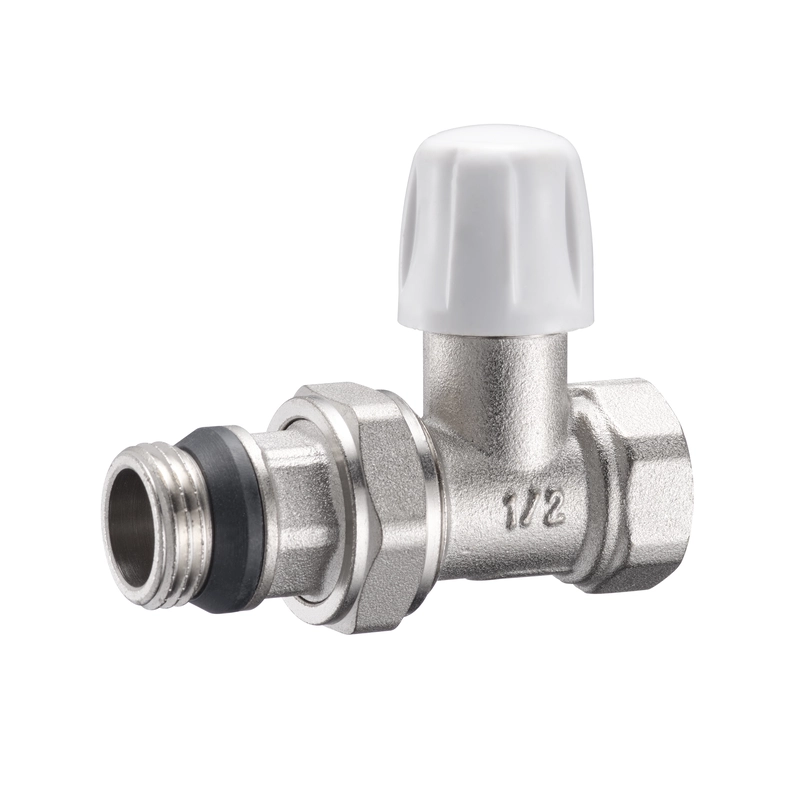
تُعد «ثرموستات الغرف» أجهزة أساسية تُستخدم للتحكم في درجة الحرارة الداخلية من خلال تنظيم أنظمة التدفئة والتبريد. يتم تركيبها في المنازل والمكاتب والمباني التجارية، حيث تراقب درجة حرارة الغرفة وتشغل معدات التدفئة والتهوية وتكييف الهواء (HVAC) عند الحاجة إلى تعديلها. وبصفتنا مصنعًا وموردًا محترفًا، نقدم منظمات حرارة الغرف الموثوقة والقابلة للتخصيص والمصممة خصيصًا لموزعي ومقاولي وتجار الجملة العالميين في مجال التدفئة والتهوية وتكييف الهواء (HVAC).
تعمل «ثرموستات الغرف» على تنظيم المناخ الداخلي من خلال استشعار درجة الحرارة المحيطة والتحكم تلقائيًا في أجهزة التدفئة أو التبريد. تساعد هذه الأجهزة في الحفاظ على مستوى ثابت من الراحة مع تقليل الاستهلاك غير الضروري للطاقة. تتوفر «ثرموستات الغرف» بتصميمات ميكانيكية ورقمية وقابلة للبرمجة، وتقدم خيارات مرنة في مجال تصنيع المعدات الأصلية (OEM) وتصميم المنتجات حسب الطلب (ODM) لتجار الجملة والموردين الذين يخدمون أسواق أنظمة التدفئة والتهوية وتكييف الهواء (HVAC) السكنية والتجارية.
ما هي «ثرموستات الغرف» ولماذا تعتبر مهمة؟
تعمل «ثرموستات الغرف» كواجهة تحكم بين المستخدمين وأنظمة التدفئة والتهوية وتكييف الهواء (HVAC). فبدون الثرموستات، ستعمل أجهزة التدفئة أو التبريد بشكل مستمر أو ستتطلب التشغيل اليدوي، مما يؤدي إلى إهدار الطاقة وعدم استقرار درجات الحرارة الداخلية.
وتشمل المزايا الرئيسية ما يلي:
الحفاظ على مستوى ثابت من الراحة داخل المبنى
الحد من هدر الطاقة
تحسين كفاءة معدات التدفئة والتهوية وتكييف الهواء
دعم التنظيم التلقائي لدرجة الحرارة
بالنسبة للمقاولين وتجار الجملة، فإن الشراء من مصنع موثوق به يضمن أداءً موثوقًا به وعمرًا تشغيليًّا طويلًا.
كيف تعمل أجهزة قياس درجة حرارة الغرفة؟
يعتمد تشغيل «ثرموستات الغرف» على استشعار درجة الحرارة والتبديل التلقائي.
كشف درجة الحرارة
يقيس منظم الحرارة درجة حرارة الهواء المحيط باستخدام مستشعرات مدمجة. وتشمل تقنيات الاستشعار الشائعة ما يلي:
أجهزة الاستشعار الميكانيكية ثنائية المعدن
عناصر تمدد الغاز
مستشعرات NTC الإلكترونية
توفر المستشعرات الإلكترونية عمومًا دقة أعلى، وهو أمر مهم لأنظمة التدفئة والتهوية وتكييف الهواء الحديثة.
عملية التحكم
عندما تنخفض درجة حرارة الغرفة عن القيمة المحددة مسبقًا أو ترتفع عنها، يرسل منظم الحرارة إشارة تحكم إلى الأجهزة المتصلة به، مثل:
المراجل
المضخات الحرارية
وحدات التبريد ذات المروحة
أنظمة التدفئة الكهربائية
صمامات المناطق
ثم تبدأ المعدات في العمل أو تتوقف عن العمل حتى يتم الوصول إلى درجة الحرارة المستهدفة.
ما أنواع أجهزة قياس درجة حرارة الغرفة المتوفرة؟
تتطلب المباني المختلفة إعدادات مختلفة لثرموستات.
أجهزة قياس الحرارة الميكانيكية للغرفة الميكانيكية
تستخدم هذه النماذج عناصر استشعار ميكانيكية للتحكم في الوصلات الكهربائية.
تشمل المزايا ما يلي:
بناء بسيط
عمر خدمة طويل
تكلفة تصنيع منخفضة
تشغيل موثوق
لا تزال النماذج الميكانيكية تحظى بشعبية في أنظمة التدفئة الأساسية.
مقاييس حرارة الغرفة الرقمية
تستخدم أجهزة الترموستات الرقمية مستشعرات إلكترونية ووحدات تحكم دقيقة.
تشمل الميزات النموذجية ما يلي:
شاشة عرض رقمية لدرجة الحرارة
تحسين دقة درجة الحرارة
واجهة سهلة الاستخدام
أداء تحكم مستقر
تحظى النماذج الرقمية بشعبية واسعة في المباني السكنية والتجارية الحديثة.
أجهزة تنظيم درجة الحرارة القابلة للبرمجة للغرف
تتيح أجهزة الترموستات القابلة للبرمجة للمستخدمين ضبط جداول درجات الحرارة على مدار اليوم.
تشمل المزايا ما يلي:
انخفاض تكاليف التدفئة والتبريد
الإدارة التلقائية لمستوى الراحة
توفير الطاقة خلال فترات عدم التواجد
تشير دراسات كفاءة الطاقة إلى أن التحكم القابل للبرمجة في درجة الحرارة يمكن أن يقلل من استهلاك الطاقة المستخدمة في التدفئة بنحو 10 في المائة في المباني ذات العزل الجيد.
أجهزة التحكم الذكية في درجة حرارة الغرف
تدعم بعض الطرز المتطورة التكامل مع أنظمة إدارة المباني وتقنيات التحكم عن بُعد.
يتم استخدام هذه الأنظمة بشكل متزايد في المباني التجارية الكبيرة التي تُعد إدارة الطاقة فيها أمراً بالغ الأهمية.
يمكن لشركة تصنيع متخصصة تقدم خدمات تصنيع المعدات الأصلية (OEM) وتصميم التصنيع الأصلي (ODM) وحلولًا قابلة للتخصيص أن تطور أجهزة ترموستات تتوافق مع متطلبات الأنظمة الذكية المختلفة.
المواصفات الفنية الرئيسية لأجهزة قياس الحرارة في الغرفة
عند اختيار المنتجات من مورد أو تاجر جملة، غالبًا ما يراجع المهندسون المعايير التالية.
المعلمة | المواصفات النموذجية
الفولتية | 24 فولت تيار متردد أو 230 فولت تيار متردد
نطاق ضبط درجة الحرارة | من 5 إلى 35 درجة مئوية
دقة التحكم | ±0.5 إلى 1 درجة مئوية
تصنيف التيار | 3 أمبير إلى 16 أمبير
نوع التركيب | مثبت على الحائط
مستوى الحماية | IP20 أو أعلى
غالبًا ما توفر الشركات المصنعة مواصفات قابلة للتخصيص للطلبات الكبيرة، بما في ذلك أنواع الأسلاك وتصميم الشاشة ومواد الهيكل.
لماذا يجب اختيار مصنع متخصص في «ثرموستات الغرف»؟
تؤثر موثوقية المنتج بشكل مباشر على استقرار نظام التدفئة والتهوية وتكييف الهواء (HVAC). ويوفر اختيار مصنع ذي خبرة العديد من المزايا.
جودة إنتاج ثابتة
يقوم الموردون الموثوقون بإجراء عمليات فحص متعددة للجودة، منها:
اختبار دقة المستشعر
فحص السلامة الكهربائية
التحقق من معايرة درجة الحرارة
اختبار التشغيل في الدورة الطويلة
وهذا يضمن الموثوقية على المدى الطويل في مختلف الظروف البيئية.
دعم خدمات تصنيع المعدات الأصلية (OEM) وتصميم وتصنيع المنتجات (ODM)
يفضل العديد من موزعي أنظمة التدفئة والتهوية وتكييف الهواء (HVAC) المنتجات التي تحمل علامة تجارية خاصة. ويمكن للشركة المصنعة القوية أن تقدم ما يلي:
طباعة الشعار حسب الطلب
تصميم هيكل المنتج
حلول التغليف الخاصة
دعم الوثائق الفنية
يساعد التعاون في مجالي التصنيع حسب الطلب (OEM) وتصميم وتصنيع المنتجات حسب الطلب (ODM) تجار الجملة على إنشاء خطوط إنتاج فريدة من نوعها للأسواق الإقليمية.
موثوقية سلسلة التوريد
تضمن القدرة الإنتاجية الثابتة استقرار جداول التسليم. وهذا أمر مهم بشكل خاص بالنسبة لمشاريع إنشاء أنظمة التدفئة والتهوية وتكييف الهواء (HVAC) الكبيرة.
إرشادات تركيب أجهزة تنظيم درجة الحرارة في الغرف
يؤدي التركيب الصحيح إلى تحسين دقة القياس وأداء النظام.
يُركَّب على الجدران الداخلية على ارتفاع حوالي 1.5 متر فوق مستوى الأرضية
تجنب التعرض لأشعة الشمس المباشرة
ابتعد عن فتحات التهوية أو مصادر الحرارة
تأكد من استقرار التوصيلات الكهربائية
قد يؤدي وضع الجهاز في مكان غير صحيح إلى قراءات غير دقيقة لدرجة الحرارة وانخفاض مستوى الراحة.
تطبيقات أجهزة تنظيم درجة الحرارة في الغرف
تُستخدم أجهزة تنظيم درجة الحرارة في الغرف على نطاق واسع في بيئات المباني المختلفة.
المباني السكنية
توفير التحكم التلقائي في أنظمة التدفئة
تدعم أنظمة التدفئة الأرضية وأنظمة المشعات
تحسين مستويات الراحة داخل المباني
المباني التجارية
تُستخدم في المكاتب والفنادق والمساحات التجارية
المساعدة في تنظيم أنظمة التدفئة والتهوية وتكييف الهواء (HVAC) الكبيرة
تقليل استهلاك الطاقة وتكاليف التشغيل
فيما يتعلق بهذه التطبيقات، فإن الشراكة مع شركة تصنيع ذات خبرة تضمن التوافق مع مختلف تكوينات أنظمة التدفئة والتهوية وتكييف الهواء (HVAC).
الطلب في السوق على أجهزة تنظيم درجة الحرارة للغرف
مع تشديد اللوائح المتعلقة بكفاءة الطاقة في جميع أنحاء العالم، يستمر الطلب على أجهزة التحكم في درجة الحرارة في الازدياد.
تشمل العوامل الرئيسية المحركة للسوق ما يلي:
توسيع نطاق المباني الذكية
زيادة التركيز على تكنولوجيا توفير الطاقة
زيادة في عدد تركيبات التدفئة الأرضية
تزايد الطلب على أنظمة التحكم الذكية في درجة الحرارة
يمكن للموردين الذين يقدمون خدمات قابلة للتخصيص وخدمات تصنيع المعدات الأصلية (OEM) وتصميم وتصنيع المنتجات (ODM) التكيف بشكل أفضل مع متطلبات الأسواق الإقليمية.
لماذا تُعدّ أجهزة تنظيم درجة الحرارة في الغرف ذات قيمة كبيرة لتجار الجملة
بالنسبة لتجار الجملة والموزعين في مجال التدفئة والتهوية وتكييف الهواء (HVAC)، تُعد «ثرموستات الغرف» فئة منتجات مستقرة.
تشمل المزايا ما يلي:
طلب مستمر في السوق
توافق واسع مع أنظمة التدفئة والتهوية وتكييف الهواء (HVAC)
فرصة لتسويق العلامة التجارية الخاصة
قدرة عالية على التوسع لتلبية الطلبات الكبيرة
من خلال الشراكة مع شركة تصنيع وتوريد محترفة، يمكن لتجار الجملة تقديم حلول موثوقة مع تعزيز قدرتهم التنافسية في السوق.
الخاتمة
تُعدّ منظمات درجة الحرارة للغرف مكونات أساسية في أنظمة التدفئة والتهوية وتكييف الهواء (HVAC) الحديثة، حيث تتيح التحكم الدقيق في درجة الحرارة وتحسين كفاءة الطاقة. وسواءً ما كانت تُستخدم في البيئات السكنية أو التجارية، فإن اختيار منتجات عالية الجودة من مصنع موثوق به يضمن الأداء على المدى الطويل ورضا العملاء. وبفضل التصاميم القابلة للتخصيص وفرص التعاون في مجالي التصنيع حسب الطلب (OEM) والتصميم حسب الطلب (ODM)، تظل منظمات درجة الحرارة للغرف خط إنتاج مهمًا لموردي وتجار الجملة في مجال التدفئة والتهوية وتكييف الهواء (HVAC) في جميع أنحاء العالم.