Heating inefficiency, uneven room temperatures, and rising energy costs often result from poorly understood underfloor heating systems. Ignoring component functions can lead to performance issues, higher expenses, and reduced comfort. Understanding each component helps ensure efficient operation and long-term reliability.
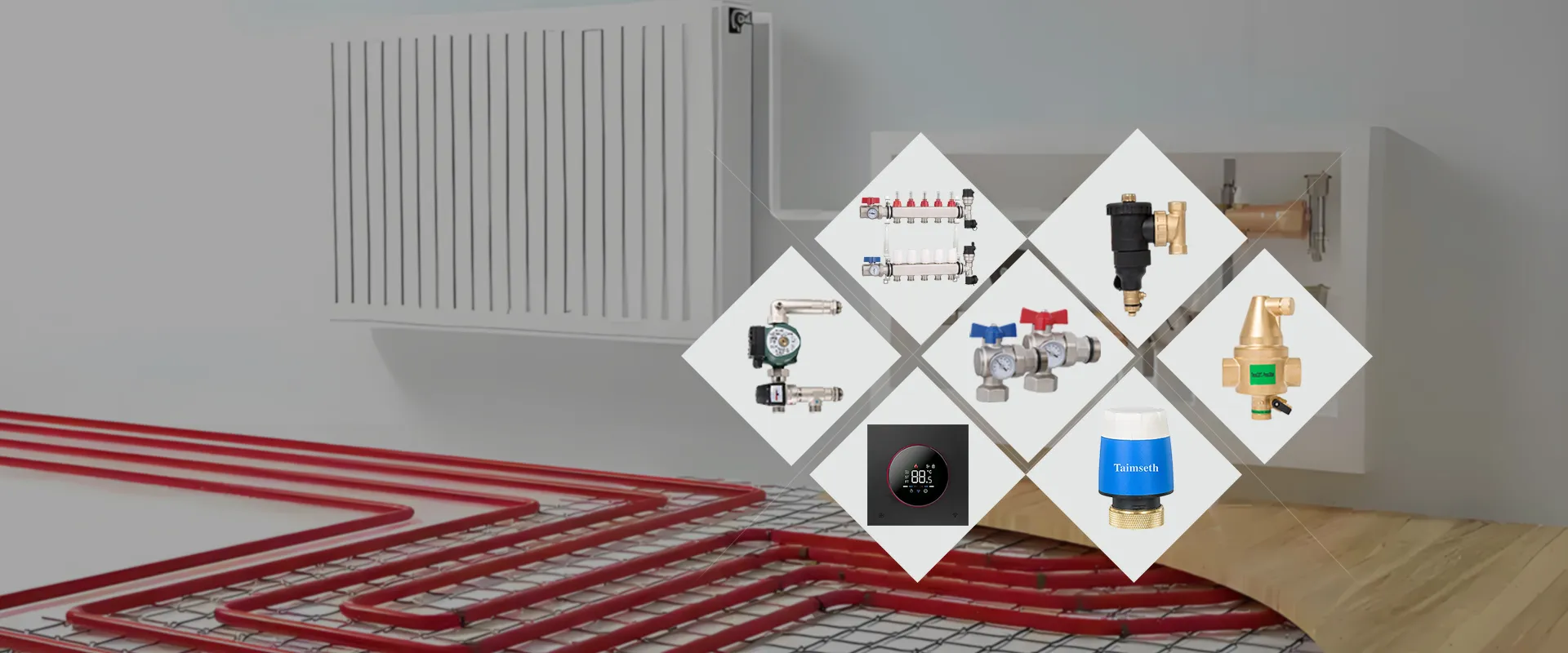
An underfloor heating system consists of several essential components that work together to deliver consistent, energy-efficient heating. Key elements include heating pipes or cables, insulation layers, manifolds, thermostats, pumps, control systems, and floor coverings. Understanding the role of each component helps improve system performance, energy efficiency, and long-term operational reliability.
Understanding the individual components of an underfloor heating system makes it easier to design, install, and maintain an efficient heating solution.
What Is an Underfloor Heating System?
An underfloor heating system is a method of heating indoor spaces by distributing heat beneath the floor surface. Unlike traditional radiators that heat the air from a single location, underfloor heating provides even warmth across the entire floor area. This creates a comfortable indoor environment while improving energy efficiency.
There are two primary types of underfloor heating systems:
- Hydronic (water-based) systems
- Electric underfloor heating systems
Although their heat sources differ, both systems rely on a series of interconnected components to function effectively.
Heating Pipes or Heating Cables
The heating element is the core component of any underfloor heating system.
Hydronic Systems
Hydronic systems use flexible pipes, typically made from cross-linked polyethylene (PEX), multilayer composite pipes, or other durable materials. Warm water circulates through these pipes, transferring heat to the floor surface.
تشمل المزايا ما يلي:
- High energy efficiency
- Suitable for large areas
- Lower operating costs over time
- عمر خدمة طويل
Electric Systems
Electric systems use heating cables or heating mats installed beneath the floor covering. Electricity passes through the cables, generating heat directly.
تشمل المزايا ما يلي:
- Easier installation
- Suitable for renovations
- Lower initial installation requirements
- Fast response times
Insulation Layer
Insulation is one of the most important but often overlooked components.
The insulation layer is installed beneath the heating pipes or cables to reduce downward heat loss. Without adequate insulation, a significant portion of generated heat may be wasted into the subfloor.
Key functions include:
- Improving energy efficiency
- Reducing heating costs
- Increasing system responsiveness
- Enhancing overall comfort
Common insulation materials include:
- Extruded polystyrene (XPS)
- Expanded polystyrene (EPS)
- Polyurethane insulation boards
Proper insulation selection depends on building design, climate conditions, and floor construction.
Manifold
The manifold serves as the distribution center in hydronic underfloor heating systems.
It connects multiple heating loops and ensures balanced water flow throughout different zones of the building.
A typical manifold includes:
- Supply and return headers
- Flow meters
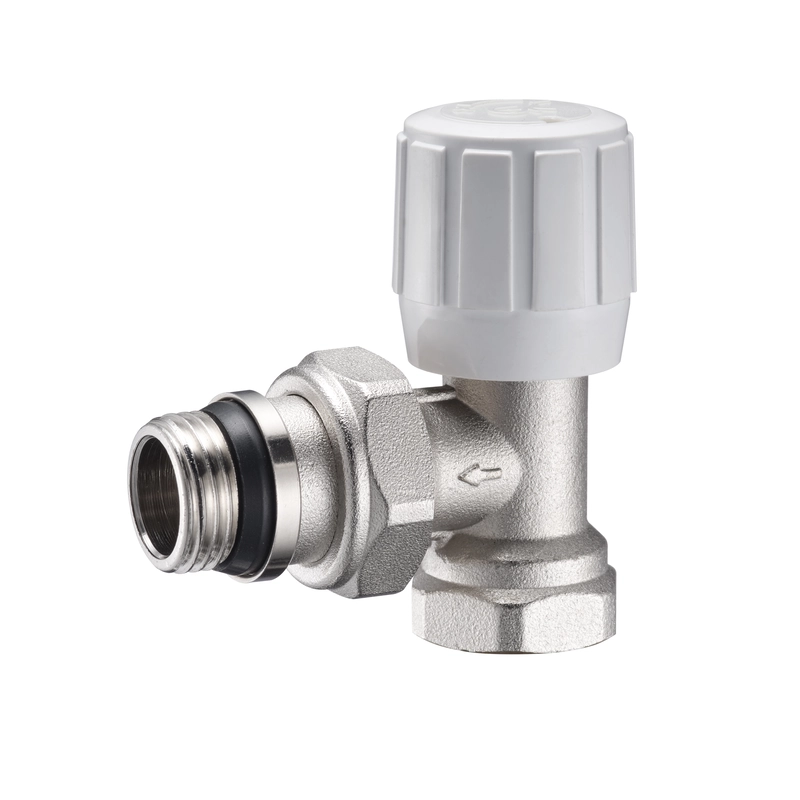
- Balancing valves
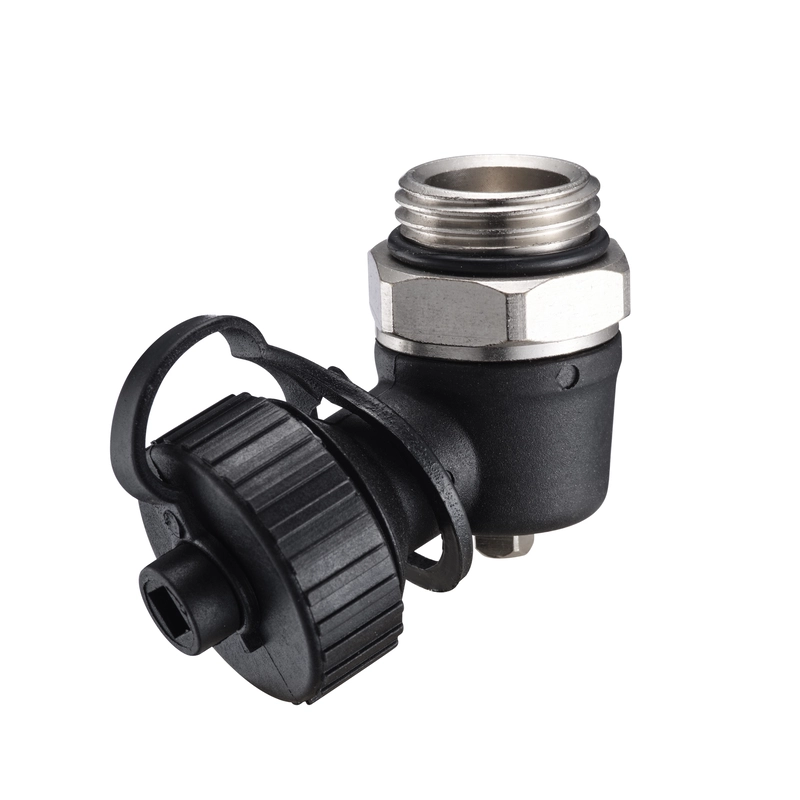
- Air vents
- Drain valves
The manifold allows installers to adjust water flow rates individually for each heating circuit, ensuring consistent temperatures throughout the building.
In larger commercial and industrial projects, manifolds play a critical role in maintaining efficient system operation.
Circulation Pump
Hydronic systems require a circulation pump to move heated water through the pipe network.
The pump provides the necessary pressure to overcome pipe resistance and maintain continuous water circulation.
Modern pumps often feature:
- Variable-speed operation
- Automatic pressure adjustment
- Energy-saving modes
- Smart controls
An appropriately sized pump helps optimize energy consumption while ensuring reliable heat delivery.
Thermostats
Thermostats control room temperature and improve energy efficiency.
They monitor indoor conditions and signal the heating system when additional heat is required.
Common thermostat types include:
Manual Thermostats
Basic controls that allow users to adjust temperature settings manually.
Programmable Thermostats
Allow users to schedule heating periods based on occupancy patterns.
Smart Thermostats
Advanced models can connect to Wi-Fi networks and mobile applications, enabling remote monitoring and control.
Benefits of smart thermostats include:
- Improved comfort
- Reduced energy consumption
- Greater operational flexibility
- Detailed energy usage insights
Control System
The control system acts as the brain of the entire underfloor heating installation.
It coordinates communication between:
- Thermostats
- Pumps
- Manifolds
- Heat sources
- صمامات المناطق
Modern control systems often support zoning functionality, allowing different rooms or areas to operate at independent temperatures.
This feature is particularly valuable in commercial buildings, offices, and industrial facilities where heating demands vary significantly between spaces.
Advanced control platforms may also integrate with building management systems (BMS) for centralized monitoring and optimization.
Heat Source
Every underfloor heating system requires a heat source.
Common options include:
- Gas boilers
- Electric boilers
- Air source heat pumps
- Ground source heat pumps
- Solar thermal systems
The choice of heat source affects operating costs, energy efficiency, and environmental performance.
Heat pumps are increasingly popular because they can operate efficiently at the lower water temperatures commonly used in underfloor heating systems.
Floor Covering
The floor covering is the final component through which heat enters the occupied space.
Different materials transfer heat at different rates.
Suitable floor finishes include:
- Ceramic tiles
- Stone flooring
- Engineered wood
- Vinyl flooring
- Laminate flooring
Materials with high thermal conductivity generally provide better heating performance.
Proper floor covering selection helps maximize heat transfer while maintaining durability and aesthetic appeal.
Additional Accessories
Several supporting components contribute to system reliability and performance.
These may include:
- Mixing valves
- Expansion vessels
- Temperature sensors
- Air separators
- Pressure gauges
- Safety valves
Although often less visible, these accessories help protect the system and maintain stable operation over time.
Why Understanding Components Matters
A well-designed underfloor heating system depends on the correct selection and integration of all components.
Understanding each component helps:
- Improve energy efficiency
- Reduce maintenance costs
- Enhance indoor comfort
- Extend system lifespan
- Simplify troubleshooting
- Support better project planning
For facility managers, contractors, and building owners, component knowledge is essential for achieving optimal system performance and long-term value.
In summary, understanding underfloor heating system components helps ensure efficient performance, reliable operation, improved comfort, and long-term energy savings.