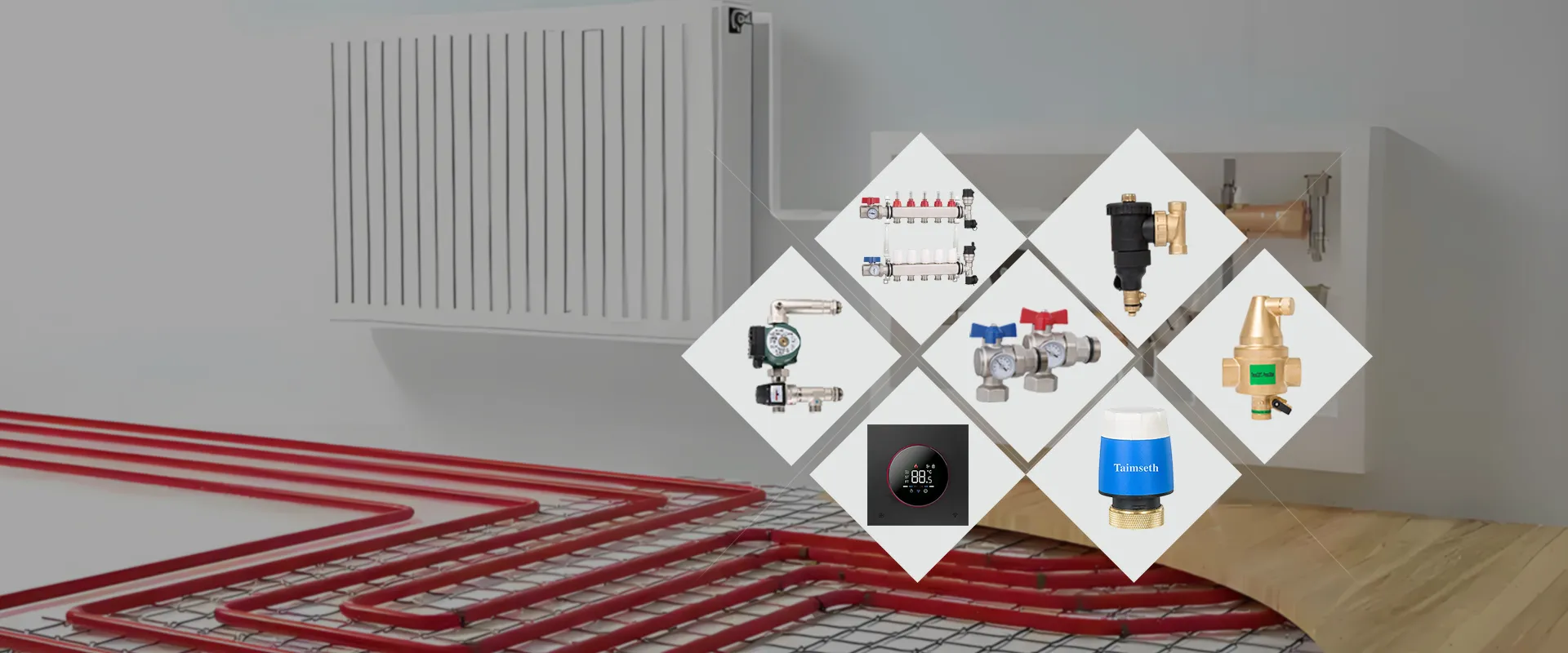
ROOM THERMOSTATS are essential temperature control devices used in residential and commercial HVAC systems. By sensing the ambient temperature and regulating heating or cooling equipment, they help maintain stable indoor conditions. Professional Manufacturer and Supplier companies provide Customizable ROOM THERMOSTATS with reliable performance for global Wholesalers, contractors, and HVAC distributors.
ROOM THERMOSTATS monitor indoor temperature and automatically control heating or cooling systems to maintain a preset comfort level. These devices help reduce energy waste, improve HVAC efficiency, and stabilize indoor environments. Many Manufacturer and Supplier companies also offer OEM and ODM solutions, allowing Wholesalers to obtain Customizable thermostats designed for different markets and building systems.
What Are ROOM THERMOSTATS?
ROOM THERMOSTATS are control devices designed to regulate indoor climate conditions. They act as the communication bridge between users and HVAC equipment, ensuring that heating or cooling systems operate only when necessary.
Main functions include:
Temperature monitoring
Automatic HVAC system control
Energy saving operation
Improved indoor comfort
Because of these benefits, ROOM THERMOSTATS have become standard components in modern heating and cooling installations.
Why Are ROOM THERMOSTATS Important for Energy Efficiency?
Energy consumption in buildings is strongly influenced by temperature regulation. Without accurate control, HVAC systems may run continuously or cycle too frequently.
ROOM THERMOSTATS help optimize energy use in several ways.
Maintain stable temperature ranges
Prevent overheating or overcooling
Reduce unnecessary equipment operation
Support automated scheduling systems
Studies in building energy management suggest that efficient thermostat control can reduce heating and cooling energy consumption by approximately 10 to 15 percent depending on insulation quality and climate conditions.
Jak działają termostaty pokojowe?
The working principle of ROOM THERMOSTATS is relatively straightforward. The device compares the measured room temperature with a user defined setpoint.
Temperature Sensing Process
ROOM THERMOSTATS detect temperature using one of several technologies.
Bimetal strip sensors
Gas expansion elements
Electronic thermistors
Electronic sensors are widely used in modern designs due to higher precision and faster response time.
Control Signal Operation
Once the temperature changes beyond the preset value, the thermostat activates or stops connected equipment such as:
Kotły
Pompy ciepła
Konwektory
Elektryczne systemy grzewcze
Zawory strefowe
The system automatically stops when the desired temperature is reached.
Jakie rodzaje termostatów pokojowych są dostępne?
Different buildings require different thermostat configurations. Manufacturers often produce several product categories.
Mechaniczne termostaty pokojowe
Mechanical models use physical temperature expansion to control electrical contacts.
Zalety to między innymi:
Prosta struktura
Low cost manufacturing
Reliable long term operation
Minimal electronic components
These models are frequently used in traditional heating systems.
Cyfrowe termostaty pokojowe
Digital thermostats use electronic sensors and microcontrollers.
Do typowych cech należą:
LCD temperature display
Higher measurement accuracy
User friendly control interface
Stable temperature regulation
Digital models are now widely used in both residential and commercial HVAC installations.
Programowalne termostaty pokojowe
Programmable devices allow users to define different temperature settings throughout the day.
Korzyści obejmują:
Energy saving during unoccupied hours
Automatic daily scheduling
Reduced heating and cooling costs
These thermostats are particularly popular in office buildings and energy efficient homes.
Smart ROOM THERMOSTATS
Advanced models support integration with building automation systems.
Key features may include:
Remote temperature control
Energy monitoring functions
Integration with HVAC management platforms
A professional Manufacturer offering OEM ODM solutions can adapt these technologies to meet regional market demands.
Najważniejsze parametry techniczne termostatów pokojowych
Understanding product specifications helps Wholesalers and project engineers choose appropriate models.
Parameter | Typical Range
Power Supply | 24 V AC or 230 V AC
Zakres temperatur | od 5 do 35 stopni Celsjusza
Control Accuracy | plus minus 0.5 to 1 degree Celsius
Switch Capacity | 3 A to 16 A
Installation | Wall mounted
Protection Level | IP20 or higher
Many Supplier companies provide Customizable specifications for OEM ODM orders, including wiring options, housing materials, and display interfaces.
How to Choose the Right ROOM THERMOSTATS Supplier?
Selecting a reliable Manufacturer is critical for HVAC distributors and Wholesalers.
Important evaluation factors include:
Product quality stability
Manufacturing capability
Technical support availability
OEM ODM customization services
Production capacity and delivery reliability
Professional Suppliers usually provide engineering support and documentation to ensure compatibility with different HVAC systems.
Installation Guidelines for Accurate Temperature Control
Correct installation ensures accurate thermostat operation.
Recommended practices include:
Mounting approximately 1.5 meters above the floor
Avoiding direct sunlight exposure
Keeping away from air vents and heating sources
Ensuring stable electrical connections
Improper placement can cause inaccurate temperature readings and inefficient HVAC operation.
Zastosowania termostatów pokojowych
ROOM THERMOSTATS are used in a wide variety of environments.
Aplikacje mieszkaniowe
Control of underfloor heating systems
Regulation of radiator based heating
Automatic control of home HVAC units
Zastosowania komercyjne
Temperature management in offices
Climate control in hotels and retail spaces
Integration with centralized building systems
For large construction projects, Wholesalers often cooperate directly with Manufacturer companies to ensure product compatibility and stable supply.
Market Trends for ROOM THERMOSTATS
Global demand for ROOM THERMOSTATS continues to increase due to several industry trends.
Growth of energy efficient buildings
Expansion of underfloor heating systems
Increasing use of HVAC automation
Rising demand for smart climate control devices
Manufacturers offering Customizable products and OEM ODM services are better positioned to meet the requirements of international HVAC markets.
Why ROOM THERMOSTATS Are Valuable Products for Wholesalers
From a business perspective, ROOM THERMOSTATS offer strong opportunities for HVAC distributors.
Zalety to między innymi:
Consistent market demand
Compatibility with various heating systems
Możliwości w zakresie tworzenia marek własnych
Elastyczne opcje dostosowywania
Working with a professional Manufacturer and Supplier allows Wholesalers to deliver reliable products while building their own brand presence in competitive markets.
Wnioski
ROOM THERMOSTATS play a vital role in modern HVAC systems by maintaining indoor comfort and improving energy efficiency. Whether used in residential buildings or large commercial facilities, these devices help optimize heating and cooling performance. Partnering with a reliable Manufacturer and Supplier that offers Customizable OEM ODM solutions allows Wholesalers to provide high quality products while meeting the growing global demand for intelligent temperature control systems.