HVAC systems often suffer from uneven temperature control and energy waste. These issues can increase operating costs and reduce occupant comfort. Hydraulic mixing unit integration provides an effective solution by optimizing water temperature distribution.
Hydraulic mixing unit integration in HVAC systems improves temperature control, enhances energy efficiency, and ensures stable system performance. By blending supply and return water at precise ratios, hydraulic mixing units help maintain optimal operating conditions, reduce energy consumption, and support reliable heating and cooling across commercial and industrial facilities.
Understanding how hydraulic mixing units work within HVAC systems can help facility managers and project developers improve system efficiency and long-term reliability.
What Is a Hydraulic Mixing Unit?
A hydraulic mixing unit is a control assembly designed to regulate water temperature within hydronic HVAC systems. It combines hot and cold water streams to achieve a desired supply temperature before distributing water to heating or cooling circuits.
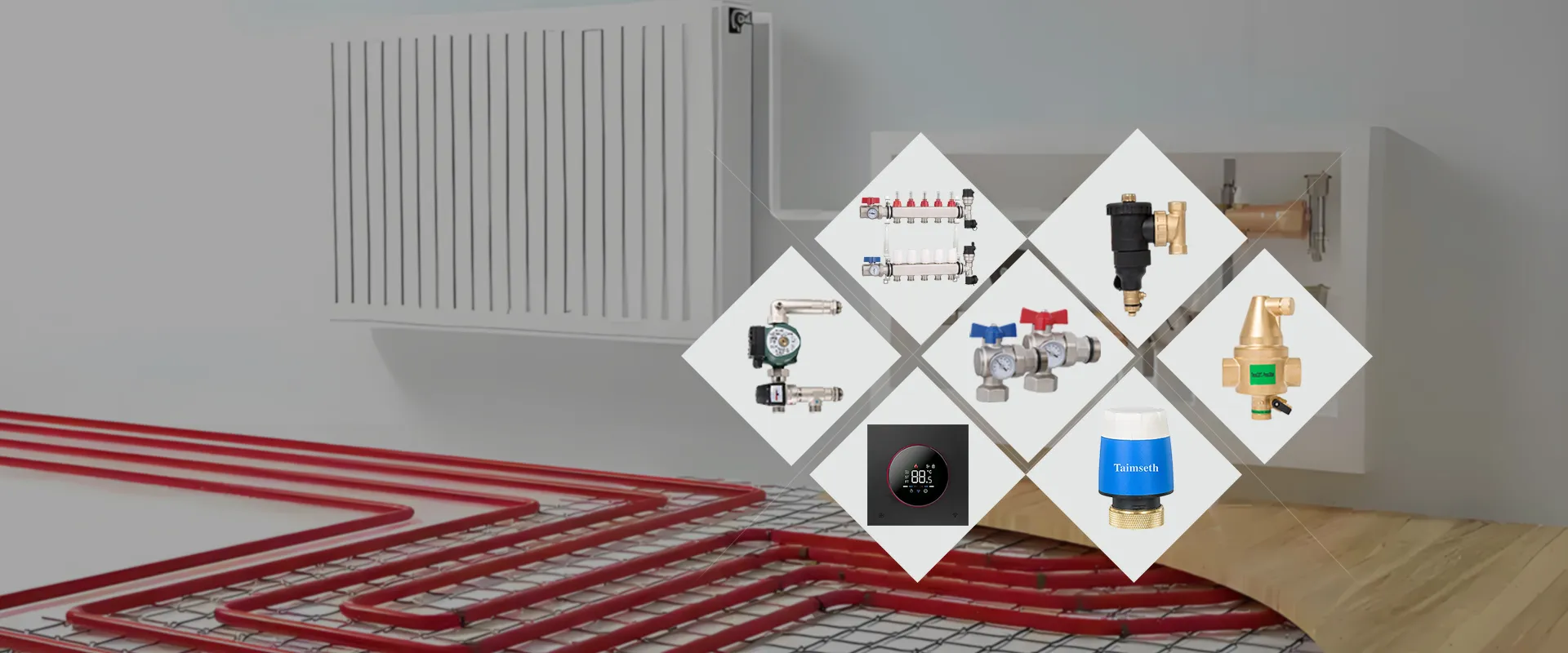
Typically, a hydraulic mixing unit consists of mixing valves, circulation pumps, temperature sensors, and control devices. These components work together to ensure precise temperature regulation throughout the system.
Hydraulic mixing units are commonly used in applications such as radiant floor heating, fan coil systems, air handling units, and industrial process heating. Their ability to deliver consistent water temperatures makes them essential for maintaining indoor comfort and equipment efficiency.
Why Is Hydraulic Mixing Unit Integration Important?
Modern HVAC systems often serve multiple zones with varying temperature requirements. Without proper hydraulic balancing and mixing, some areas may experience overheating while others remain under-conditioned.
Hydraulic mixing unit integration offers several benefits:
Improved Temperature Control
Mixing units maintain precise water temperatures by adjusting the proportion of supply and return water. This helps ensure stable indoor conditions and reduces temperature fluctuations.
Enhanced Energy Efficiency
By delivering only the required water temperature to each circuit, mixing units prevent unnecessary energy consumption. Lower operating temperatures can also improve the efficiency of boilers, heat pumps, and chillers.
Better Equipment Protection
Excessive temperature variations can place stress on HVAC equipment. Hydraulic mixing units help protect system components by maintaining stable operating conditions and reducing thermal shock.
Increased Occupant Comfort
Consistent temperature control contributes to a more comfortable indoor environment. This is especially important in commercial buildings, offices, healthcare facilities, and industrial workplaces.
Key Components of Hydraulic Mixing Unit Integration
Successful integration requires proper coordination between several system components.
Mixing Valves
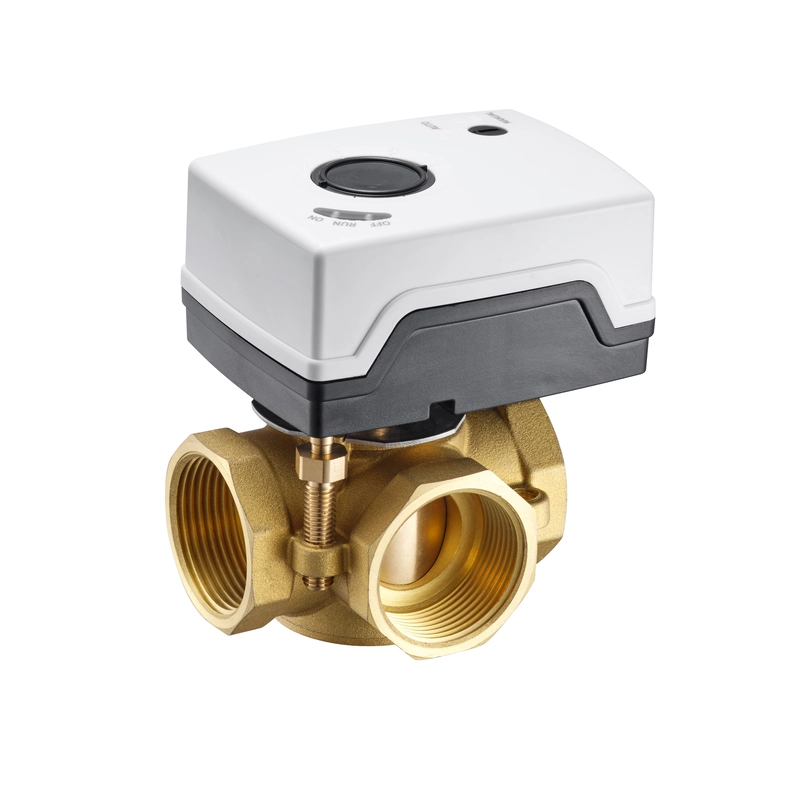
Three-way or four-way mixing valves regulate the proportion of hot and cold water entering the distribution circuit. Automated valves can continuously adjust flow rates based on real-time temperature measurements.
Circulation Pumps
Dedicated pumps ensure adequate water flow through mixed circuits. Variable-speed pumps can further optimize system efficiency by adjusting flow according to demand.
Temperature Sensors
Sensors monitor supply, return, and mixed water temperatures. Accurate temperature feedback enables responsive control and maintains desired operating conditions.
Control Systems
Modern building management systems (BMS) can integrate hydraulic mixing units for centralized monitoring and control. Smart automation improves performance while reducing manual intervention.
Applications in Commercial and Industrial HVAC Systems
Hydraulic mixing units are widely used across various HVAC applications.
Radiant Heating Systems
Radiant floor heating often requires lower water temperatures than boiler output. Hydraulic mixing units reduce supply temperatures to appropriate levels while maintaining comfort and efficiency.
Air Handling Units
Air handling units may require precise water temperatures for heating coils and cooling coils. Mixing units provide accurate control to maintain desired air conditions.
Multi-Zone Buildings
Commercial buildings frequently contain areas with different heating and cooling demands. Hydraulic mixing units allow each zone to receive water at the appropriate temperature.
Industrial Facilities
Industrial processes often require specific thermal conditions. Mixing units help maintain stable temperatures that support process consistency and equipment protection.
Considerations for Effective Integration
Several factors should be evaluated during system design and installation.
System Load Analysis
Engineers should assess heating and cooling loads to determine appropriate mixing unit capacity and control strategies.
Hydraulic Balancing
Proper balancing ensures equal flow distribution and prevents inefficiencies caused by excessive pressure differences.
Control Strategy Selection
Choosing the right control method, including weather compensation or demand-based control, can significantly improve system performance.
Maintenance Planning
Routine inspection of valves, pumps, sensors, and control components helps maintain long-term reliability and efficiency.
Future Trends in Hydraulic Mixing Technology
Advancements in smart controls and IoT connectivity are expanding the capabilities of hydraulic mixing units. Modern systems can provide real-time performance monitoring, predictive maintenance alerts, and advanced energy management functions.
Integration with intelligent building management platforms enables facility operators to optimize HVAC performance continuously. As energy regulations become more stringent, hydraulic mixing technology will play an increasingly important role in achieving efficiency and sustainability goals.
Hydraulic mixing unit integration enhances HVAC efficiency, improves temperature control, and supports reliable long-term operation in modern buildings.