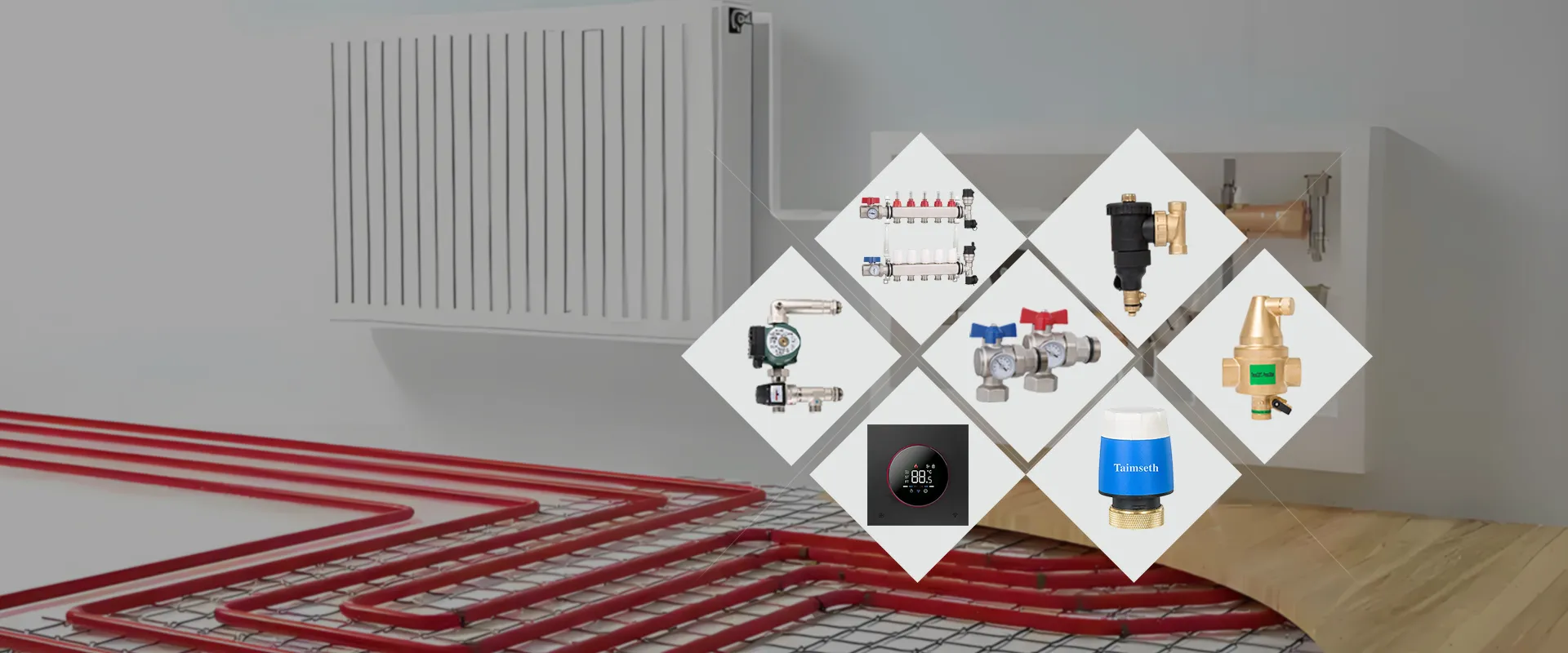
Frozen rooms, uneven heating, and rising energy bills often come from incompatible thermostats. Choosing the wrong control system can reduce hydronic heating efficiency and increase long-term operational costs. Selecting a compatible smart thermostat improves comfort, energy savings, and system reliability.
The best thermostats for hydronic heating systems are models designed to support radiant floor heating, boilers, and multi-zone temperature control. Features such as smart scheduling, Wi-Fi connectivity, energy monitoring, and compatibility with low-voltage systems help improve heating efficiency, maintain stable indoor comfort, and reduce unnecessary energy consumption in residential and commercial buildings.
Understanding thermostat compatibility is essential before upgrading or installing a hydronic heating system for long-term efficiency and control.
Why Hydronic Heating Systems Need Specialized Thermostats
Hydronic heating systems operate differently from forced-air HVAC systems. Instead of circulating air, they distribute heated water through radiant floors, baseboards, or radiators. Because of this slower and more consistent heating process, thermostats must be specifically designed to manage gradual temperature changes.
Standard thermostats designed for forced-air systems may create short cycling or inaccurate temperature control when connected to hydronic systems. Specialized thermostats help maintain stable heating performance while optimizing boiler efficiency and energy use.
Modern hydronic thermostats often support:
- Radiant floor temperature sensors
- Multi-zone heating control
- Smart scheduling functions
- Boiler compatibility
- Wi-Fi remote access
- Energy-saving automation
These features help improve indoor comfort while reducing unnecessary operational costs.
Key Features to Consider When Choosing a Hydronic Thermostat
Selecting the best thermostat depends on the type of hydronic system, project scale, and building requirements. Several important features should be evaluated before purchasing.
Compatibility With Hydronic Heating Equipment
Not all thermostats support boilers or radiant floor systems. It is important to verify compatibility with:
- Calderas de agua caliente
- Electric radiant floor heating
- Hydronic radiant floor systems
- Zone valves and circulator pumps
- Low-voltage control systems
Proper compatibility ensures reliable communication between the thermostat and heating equipment.
Smart Temperature Control
Smart thermostats improve energy efficiency by learning usage patterns and automatically adjusting heating schedules. Features may include:
- Mobile app control
- Programmable schedules
- Detección de ocupación
- Weather-responsive adjustments
- Voice assistant integration
These technologies help reduce unnecessary heating during unoccupied periods.
Floor Sensor Integration
Radiant floor systems benefit from floor temperature sensors that prevent overheating and improve comfort. Thermostats with dual sensing capabilities can monitor both room air and floor temperatures simultaneously.
This is especially useful for commercial spaces, offices, and buildings requiring stable floor surface temperatures.
Multi-Zone Heating Support
Large hydronic systems often divide buildings into separate heating zones. Multi-zone thermostats allow independent temperature control for different rooms or areas.
Los beneficios incluyen:
- Improved occupant comfort
- Reduced energy waste
- Flexible heating schedules
- Better system balancing
Zone control is particularly important for industrial and commercial HVAC projects.
Best Types of Thermostats for Hydronic Heating Systems
Different thermostat categories are available depending on building size, heating complexity, and automation requirements.
Smart Wi-Fi Thermostats
Smart thermostats are increasingly popular due to remote access and automation features. They allow users to monitor and adjust heating settings from smartphones or building management systems.
Entre las ventajas se incluyen:
- Real-time energy monitoring
- Remote diagnostics
- Automatic scheduling
- Mayor eficiencia energética
- Integration with smart building controls
These thermostats work well in modern residential and commercial environments.
Termostatos programables
Programmable thermostats remain a practical solution for projects focused on stable scheduling and lower installation costs.
Users can create heating schedules based on occupancy patterns, reducing energy use during off-hours.
They are commonly used in:
- Edificios de oficinas
- Warehouses
- Educational facilities
- Residential radiant floor systems
Termostatos no programables
Simple manual thermostats are suitable for smaller systems with consistent heating demands. While they lack automation features, they provide reliable operation and easy installation.
They are often selected for:
- Small boiler systems
- Utility rooms
- Basic heating applications
- Retrofit projects with limited control requirements
Common Installation Considerations
Correct installation significantly affects thermostat performance and hydronic system efficiency.
Important considerations include:
Proper Sensor Placement
Thermostats should be installed away from direct sunlight, drafts, and heat-producing equipment to ensure accurate temperature readings.
Wiring Compatibility
Some smart thermostats require dedicated power connections or additional control modules. Verifying wiring compatibility before installation prevents communication issues.
Boiler Integration
Hydronic systems rely heavily on boiler performance. Thermostats should properly coordinate with boiler staging, pumps, and zone valves to avoid short cycling and energy waste.
Professional System Design
For large-scale commercial and industrial projects, professional HVAC system design ensures all components work together efficiently. Integrated control strategies can improve overall building energy management and operational reliability.
According to Jinyi HVAC, industrial and commercial HVAC systems benefit from intelligent controls, energy-efficient operation, and customized solutions that support long-term reliability and stable heating performance.
Benefits of Upgrading to Modern Hydronic Thermostats
Upgrading outdated thermostats can significantly improve overall system performance.
Entre las principales ventajas se incluyen:
- Reduced heating energy consumption
- Better indoor comfort stability
- Improved zoning efficiency
- Lower boiler operating stress
- Remote monitoring capabilities
- Easier maintenance management
Modern controls also support integration with building management systems (BMS) and smart energy monitoring platforms.
These technologies are increasingly important in commercial buildings, industrial facilities, and energy-conscious projects seeking higher operational efficiency.
Conclusión
The right hydronic thermostat improves comfort, efficiency, and long-term heating reliability while supporting smarter energy management for modern buildings.